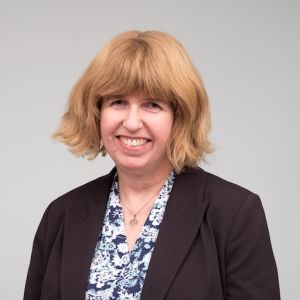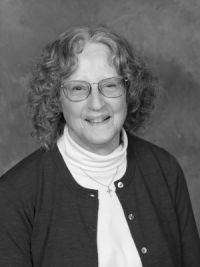

Moderator of the 2025 General Assembly

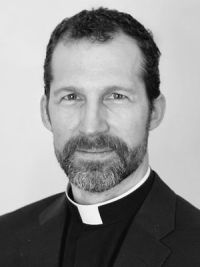
The Rev. Jeffrey Murray, B.Hum. (Hons.), M.Div., M.A.

The Rev. Jeffrey Murray began ministry at St. Andrew’s, Sackville, New Brunswick, following his ordination and induction on February 28, 2007. Recently appointed to serve as Deputy Clerk of the General Assembly, Jeff continues to live and work remotely in Sackville raising his four wonderful children, who offer remarkable insights into the lives of young people. Jeff holds a Bachelor of Humanities from the College of Humanities, Carleton University, a Master of Divinity from Knox College, University of Toronto, and a Master of Arts from the Atlantic School of Theology.

The Rev. Jeffrey Murray

While ministering in Sackville, Jeff served a term as president and board member of Concilio Prison Ministry, Springhill Institution. He was chair of the Program Committee for St. Luke’s Renewal Centre at the Springhill Institution where inmates may experience healing, personal growth, and a new vision for life. For seven years, he volunteered with Sackville Fire & Rescue, serving as chaplain, firefighter and president of the Firefighters’ Association. He served on the Board of Open Sky Cooperative, which supports young adults living with mental health challenges or social disabilities such as autism spectrum disorder. He was also a founding member of the Sackville Refugee Response Coalition, which came together for four years in response to the Syrian Refugee Crisis.

In service to The Presbyterian Church in Canada, Jeff has been moderator for the Presbytery of New Brunswick and the Synod of the Atlantic Provinces and served as clerk for the Synod of the Atlantic Province for six years. On the national level, he was on the Grants Committee of Congregational and Community Ministries, served on the Committee on Church Doctrine and Assembly Council, was a listener in the Atlantic region for the Rainbow Communion, and a Young Adult Representative (YAR) resource person at a few General Assemblies.

What are some key moments of your faith journey and how have they informed the person you are today?

At least three key periods, rather than moments, have informed my faith journey and formed who I am today. The first period is my childhood. I was born in the farm country of southeastern Ontario and baptized in the local Presbyterian Church, being brought up in the faith tradition of my parents. Home, farm life, and the church of my childhood formed the foundation of who I am today. The routines of home, farm life, assisting my father in beekeeping operations, and the routines of church were often boring. Still, these were important and formative, like the repetitive practices of a musician learning scales, a performer rehearsing lines, and a craftsperson repeating their skills and improving over time. While I grumbled about such life as a child, I am very nostalgic for those days now. I speculate the repetition experienced in my childhood formed an appreciation for liturgy and the repetition that comes with ministry, which, while sometimes can feel boring, can also be deeply grounding and formative, and give time for improvement.

The years spent at university and seminary mark the next key period in my faith journey. While I did learn about some biblical stories in Sunday School, my familiarity with the Bible was very limited. The Bible I was given after graduating from Sunday School was also a King James Bible with delicate pages and stiff binding. I recall being told to read the Bible as though God was speaking directly to me, and there didn’t seem to be much room for questioning and doubting. The pressure of paying attention to God was exhausting, and my attempts to read the Bible were more a cure for insomnia than inspirational. Ironically, it was within a secular university during an undergraduate degree in The College of Humanities, Carleton University, that I was reading the Bible alongside Mesopotamian myths, Hindu sacred texts, and ancient Greek and Roman literature that I developed an appreciation for the remarkable way that stories revealed the human condition and the breadth of human expression. The college cultivated a love for literature, including the Bible, in which all manner of questions and conversations were possible. This experience had a profound impact on my approach to biblical texts.

Knox College continued to deepen that appreciation for the Bible, especially for the context of preaching and its application to the realities of our time. When I started at seminary, I considered faith, spirituality, salvation, sin, morality, and even Bible reading as a more private individualistic affair reinforced communally through worship and Bible study. However, studying theology was as eye-opening as my experience with the Bible during undergraduate studies. I experienced some spiritual growing pains during my time at Knox because my faith changed significantly during those years as it challenged the faith of my youth. I began to see the distinct ways that Jesus and the gospels addressed this world’s social concerns and realized that the matters of faith were more communal than individualistic. Many of my views changed during those years as I discovered that the Bible doesn’t support my views as much as I had assumed or hoped. It was helpful that during my theological education and preparation for ministry in the church, I had an opportunity to work with the Boarding Homes Ministry in Toronto, which helped me to understand the gospel in the context of those living on the margins.

The next key period in my faith journey that shaped the person I am today can be addressed in the next question because that formative period comes from serving the congregation of St. Andrew’s, Sackville, with whom I have ministered since the time I was ordained and inducted to that charge.

What have been your most memorable experiences in serving the church, and how have those particular experiences shaped or guided your views?

The 18 years of ministering among the people of St. Andrew’s have provided several memorable experiences, some of which were joyful, affirming, and supportive, and others quite difficult and challenging. It was more the challenging and painful experiences in my ministry and personal life that provided the most memorable moments of learning and growth.

Broadly speaking, the challenges in my personal life that could not be hidden stripped away any façade of a minister having a life together. This, coupled with the grace and support of the congregation through difficult chapters and setbacks, taught me that I am allowed to be imperfectly human. I believe this deepened my relationship with the congregation, as they shared their difficult moments and imperfections with me as their pastor.

Challenges to my leadership, while feeling undermining at the time, also helped guide my understanding of leadership within the church. In the beginning, I assumed that leadership in the church was about steering the ship, providing vision, and leading where I felt the congregation needed to go, but my attempts at “leadership” were often unsuccessful. The congregation helped me realize that I was one of many partners in ministry, and my task was to be a minister of Word and Sacraments and to support the session, board and congregation in our collective discernment of the direction we might be called to go as we face the challenges that present themselves.

Ministry with St. Andrew’s has also afforded me several opportunities to serve the presbytery, synod and national church. The opportunity to work with other congregations and persons through visitations, amalgamations, closures, conflicts, and personnel challenges has provided tremendous insight into congregational life and leadership.

The theme of the 2025 General Assembly, “A Future and a Hope,” is taken from Jeremiah 29:11. As The Presbyterian Church in Canada marks its 150th anniversary, how would you describe your preferred future and your hope for our denomination?

What immediately comes to mind is Romans 8:24-25: “For in hope we were saved. Now hope that is seen is not hope. For who hopes for what is seen? But if we hope for what we do not see, we wait for it with patience.” Certainly, as a minister working in the church, I would prefer a future that looked more certain and secure than precarious, but I am also growing accustomed to uncertainty. We have much to celebrate in our past, but I hope that nostalgia for previous times does not prevent us from having faith and hope for a future we may not be able to envision yet. The words from Jeremiah offer the assurance that there is a future for the people of God, but it was during the exilic period in which the future of God’s people seemed uncertain. Jeremiah was preparing the people for a long exile and warned against prophets and diviners who peddled their dreams and visions. Instead, rather than getting caught up in false prophesy and visions or suspending life until a return to good times, Jeremiah encourages the people to simply go about their lives, building homes, planting gardens, marrying and having children, multiplying, and above all to “seek the welfare of the city where [they are], and pray to the Lord on its behalf, for in its welfare [they] will find [their] welfare.” Jeremiah’s words to God’s people in exile were words to affirm that they could be the people of God in a different land and if they are to have a future, they would need to persevere by going about their lives. We will not be the church of 150 or even 50 years ago. The setting of the church today is a vastly different landscape, but we persist in our calling to be the church through uncertainty because we have something worth working for. We hope in what we do not see and wait for it with patience.

In a culture which is increasingly distancing itself from the context of “Christendom” for many reasons, what would you say to someone who asks what it means to be Presbyterian?

Firstly, I am rarely, if ever asked, what it means to be Presbyterian, and “Christendom” is an unknown or irrelevant concept for many.
However, like the culture, I want to distance myself from “Christendom,” and I think that The Presbyterian Church in Canada has taken steps to distance itself from certain negative aspects of “Christendom” as well. As Douglas J. Hall defines Christendom, it “means literally the dominion or sovereignty of the Christian religion”, which does not necessarily align with the reign of Jesus Christ or the message of the gospel but has been more about the imposition of Eurocentric cultural assumptions on others. While Christendom has contributed amazing art, music, architecture, and a wealth of profound philosophical and theological study to the world, it has also inflicted deep wounds through conquest, colonialism, antisemitism, racism, and the marginalization of minorities.

Given that our culture has been distancing itself from Christendom and organized religion, partly because of the injustices that it has been involved with, when I talk about what it means to be Presbyterian, I often talk about how the church has come to recognize, confess, and apologize for the wrongs of Christendom it has participated in. I talk about the church’s work towards healing and reconciliation, particularly with respect to our relationship with Indigenous people and our participation in Residential Schools. Being Presbyterian means that as an institution, we must face and address the racism that has occurred, and continues to occur within our church by understanding it and developing anti-racism initiatives to mitigate this injustice. Being Presbyterian also means acknowledging how the church dehumanized and harmed LGBTQI people as we work towards being welcoming, inclusive and loving communities of faith. I think these are ways that The Presbyterian Church in Canada bears witness to the ministry of reconciliation that the gospel of Jesus Christ reveals to us and how we actively distance ourselves from the ills of Christendom.

I believe these actions of the church mentioned provide an important witness to society today. While the culture has distanced itself from organized religion and institutions, society seems to gravitate toward individualism, which allows one to easily call out the wrongs of church and other institutions while distancing oneself from the responsibility of reconciliation and community repair. The other thing we see in our culture today is a kind of gravitation toward dangerous collective behaviour where one might take up a cause with those of like-mindedness and become oblivious to and unaccountable for the harms it inflicts – the storming of the capital on January 6, 2021, is one example. Both of these seemingly contrasting behaviours of individualism and collectivity allow for self-righteousness to flourish and to further entrench a divided society. In contrast to individualism and group uniformity, our diverse Presbyterian Church in Canada allows space for unity and diversity, harmony and dissonance, agreement and disagreement. Our governing structure also makes provision for the unpleasant aspects of our own history and of our present to be brought into the light for the whole church to see, acknowledge, and then work together toward healing the body of Christ that we have harmed by our collective sin.

In the year you would serve as Moderator, what particular focus would you bring to that role and how are you equipped for that ministry?

At this point, given that serving as moderator remains uncertain, I am also uncertain as to what particular focus I would bring to the role of Moderator. I am humbled and honoured that the presbyteries that put my name forward as a nominee believe that I have been equipped with gifts for this ministry, which may have to do with my work serving as clerk for the Synod of the Atlantic Provinces.

Should the church call me, by way of electing me as the sole nominee to serve as Moderator, I would prefer to give focus to matters that arise at General Assembly and throughout the year. In my understanding of the role of Moderator of the General Assembly, it is not to bring a particular focus or agenda but to serve the church by giving attention to the things that the church is focused on currently. I realize that that is a long way of stating TBA.

Nevertheless, as I highlighted above, the church continues to focus on the work of reconciliation, anti-racism, and inclusion, which I think deserves attention. Also, I think it is important to give attention to the challenges congregations face as we learn to navigate being the church with hope amid uncertainty, which the narratives of hope and possibility aim to explore. I could see these as possible things to focus on in the role of Moderator.

Image of arrow pointing downLetter to the Mayor of Beit Sahour
Image of arrow pointing downEcumenical letter to PM Carney – Call for action and urgent meeting
Image of arrow pointing downModerator letter to Premier Ford re Bill C-5 2025
Image of arrow pointing downEcumenical Letter to the Prime Minister of Canada on Israel’s Unprovoked Attack on Gaza Hospital
Image of arrow pointing downModerator's letter to Jubilee Peoples Forum G7 2025

Previous Moderators

2024
The Rev. Dr. Patricia Dutcher-Walls
Moderator of the 149th General Assembly

2023
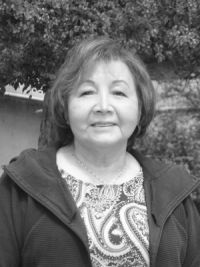
The Rev. Mary Fontaine
Moderator of the 148th General Assembly

2022
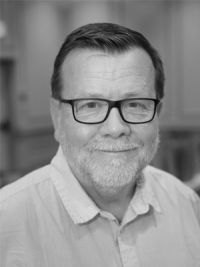
The Rev. Dr. Robert Faris
Moderator of the 147th General Assembly

2021
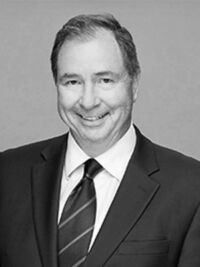
The Rev. Dr. Daniel Scott
The Rev. Dr. Daniel D. Scott
Moderator of the 146th General Assembly

2019
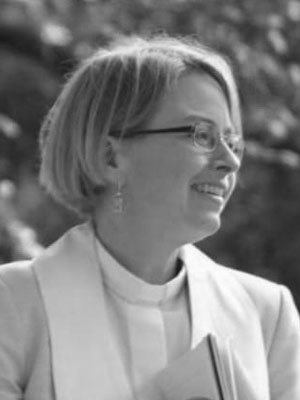
The Rev. Amanda Currie
Moderator of the 145th General Assembly

2018
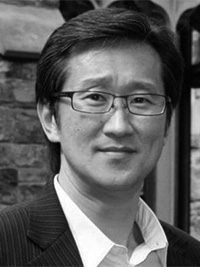
The Rev. Daniel Cho
Moderator of the 144th General Assembly

2017
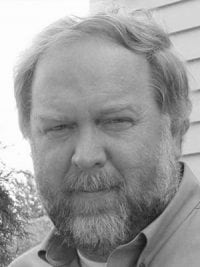
The Rev. Peter Bush
Moderator of the 143rd General Assembly

2016
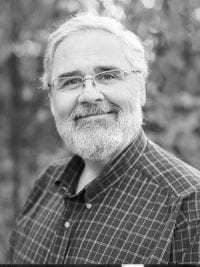
The Rev. Douglas Rollwage
Moderator of the 142nd General Assembly

2015
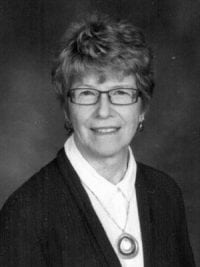
The Rev. Karen Horst
The Rev. Dr. Karen Horst
Moderator of the 141st General Assembly

2014
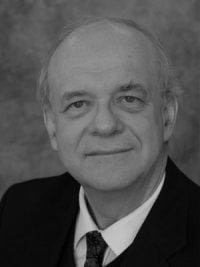
The Rev. Dr. Stephen Farris
The Rev. Dr. Stephen C. Farris
Moderator of the 140th General Assembly

2013
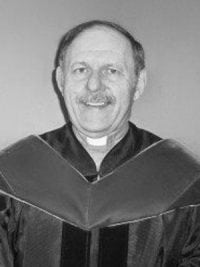
The Rev. Dr. David Sutherland
Moderator of the 139th General Assembly

2012
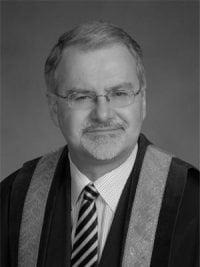
The Rev. Dr. John A. Vissers
Moderator of the 138th General Assembly

2011
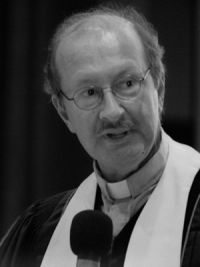
The Rev. Dr. H. D. Rick Horst
Moderator of the 137th General Assembly

2010
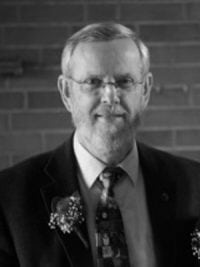
The Rev. Dr. Herbert F. Gale
Moderator of the 136th General Assembly

2009
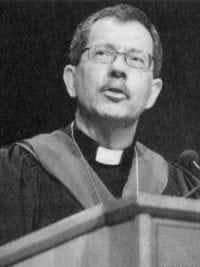
The Rev. A. Harvey Self
Moderator of the 135th General Assembly

2008
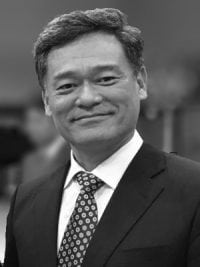
The Rev. Dr. Cheol Soon Park
Moderator of the 134th General Assembly

2007
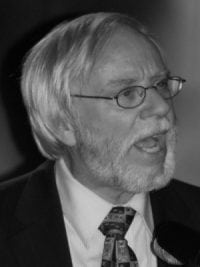
The Rev. Dr. J.H. (Hans) Kouwenberg
Moderator of the 133rd General Assembly

2006
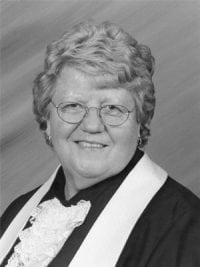
Dr. M. Wilma Welsh
Moderator of the 132nd General Assembly

2005
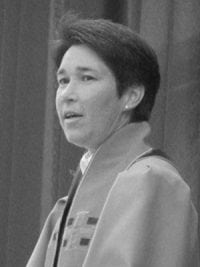
The Rev. Dr. M. Jean Morris
Moderator of the 131st General Assembly

2004
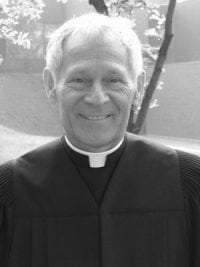
The Rev. Dr. Richard W. Fee
Moderator of the 130th General Assembly

2003
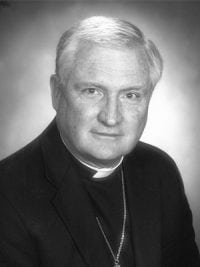
The Rev. Dr. P.A. (Sandy) McDonald
Moderator of the 129th General Assembly

2002
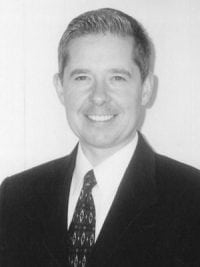
The Rev. Dr. J. Mark Lewis
Moderator of the 128th General Assembly

2001
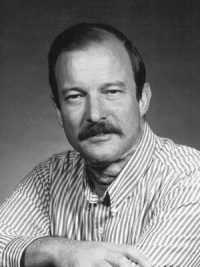
The Rev. Dr. Joseph W. Reed
Moderator of the 127th General Assembly

2000
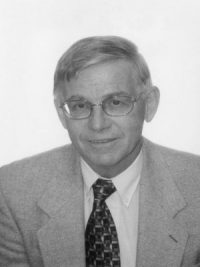
The Rev. Dr. H. Glen Davis
Moderator of the 126th General Assembly

1999
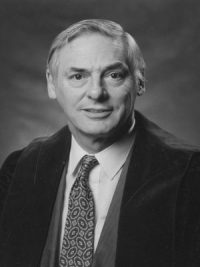
The Rev. Dr. Arthur Van Seters
Moderator of the 125th General Assembly

1998
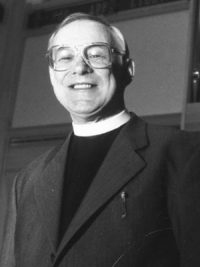
The Rev. Dr. William J. Klempa
Moderator of the 124th General Assembly

1997
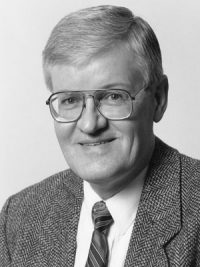
The Rev. Dr. John D. Congram
Moderator of the 123rd General Assembly

1996
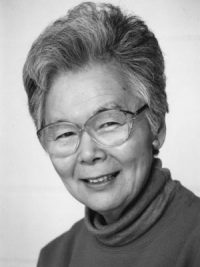
Dr. Tamiko (Nakamura) Corbett
Moderator of the 122nd General Assembly

1995
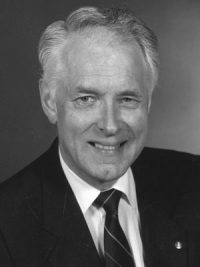
The Rev. Dr. Alan M. McPherson
Moderator of the 121st General Assembly

1994
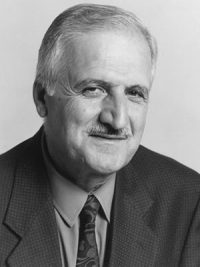
The Rev. Dr. George C. Vais
Moderator of the 120th General Assembly

1993
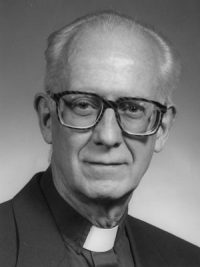
The Rev. Dr. Earle F. Roberts
Moderator of the 119th General Assembly

1992
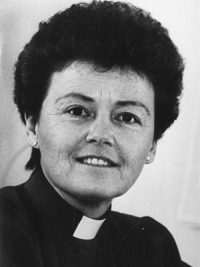
The Rev. Dr. Linda J. Bell
Moderator of the 118th General Assembly

1991
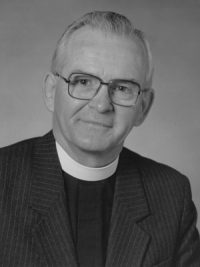
The Rev. Dr. John R. Cameron
Moderator of the 117th General Assembly

1990
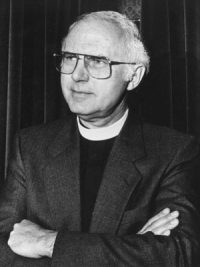
The Rev. Dr. John F. Allan
Moderator of the 116th General Assembly

1989
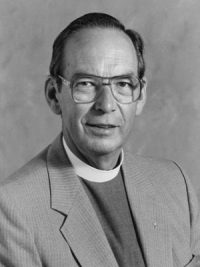
The Rev. Dr. J.J. Harrold Morris
Moderator of the 115th General Assembly

1988
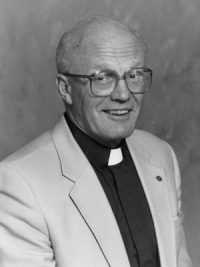
The Rev. Dr. Bruce A. Miles
Moderator of the 114th General Assembly

1987
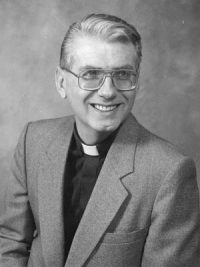
The Rev. Dr. Tony Plomp
Moderator of the 113th General Assembly

1986
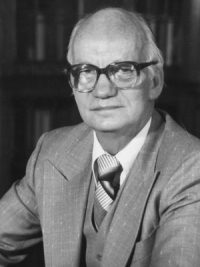
The Rev. Dr. J. Charles Hay
Moderator of the 112th General Assembly

1985
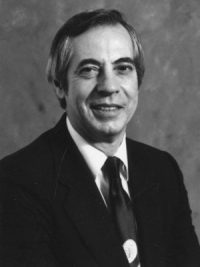
The Rev. Dr. Joseph C. McLelland
Moderator of the 111th General Assembly

1984
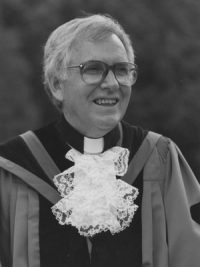
The Rev. Dr. Alex J. Calder
Moderator of the 110th General Assembly

1983
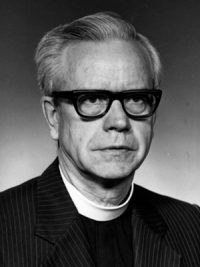
The Rev. Dr. Donald C. MacDonald
Moderator of the 109th General Assembly

1982
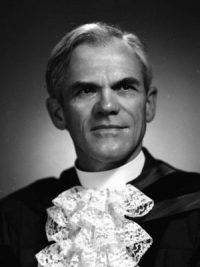
The Rev. Dr. Wayne A. Smith
Moderator of the 108th General Assembly

1981
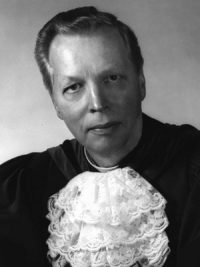
The Rev. Dr. Arthur W. Currie
Moderator of the 107th General Assembly

1980
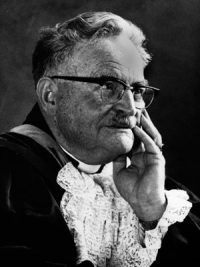
The Rev. Dr. Alexander F. MacSween
Moderator of the 106th General Assembly

1979
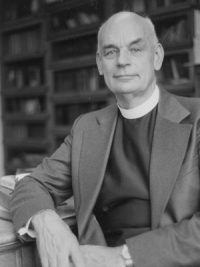
The Rev. Dr. Kenneth G. McMillan
Moderator of the 105th General Assembly

1978
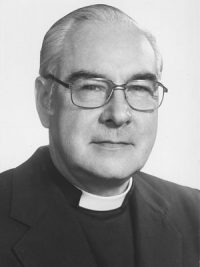
The Rev. Dr. Jesse E. Bigelow
Moderator of the 104th General Assembly

1977
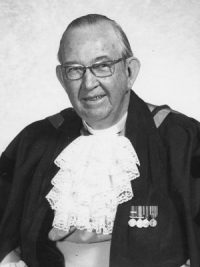
The Rev. Dr. DeCourcy H. Rayner
Moderator of the 103rd General Assembly

1976
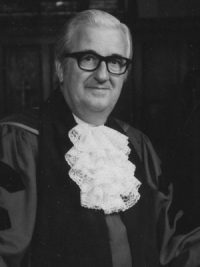
The Rev. Dr. A. Lorne MacKay
Moderator of the 102nd General Assembly

1975
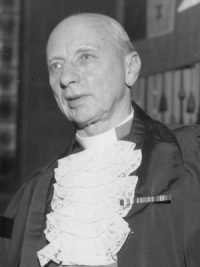
The Rev. Dr. David W. Hay
Moderator of the 101st General Assembly

1974
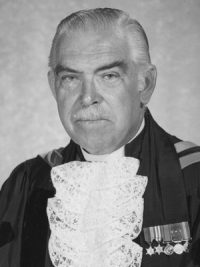
The Rev. Dr. Hugh F. Davidson
Moderator of the 100th General Assembly

1973
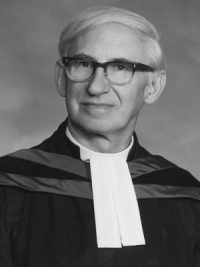
The Rev. Dr. Agnew H. Johnston
Moderator of the 99th General Assembly

1972
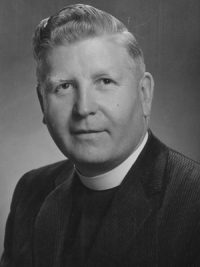
The Rev. Dr. Maxwell V. Putnam
Moderator of the 98th General Assembly

1971
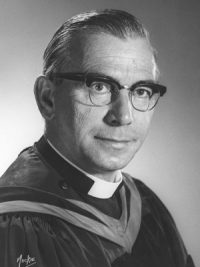
The Rev. Dr. Murdo Nicolson
Moderator of the 97th General Assembly

1970
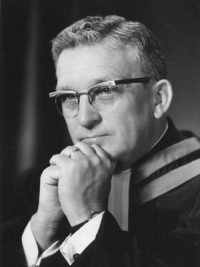
The Rev. Dr. Dillwyn T. Evans
Moderator of the 96th General Assembly

1969
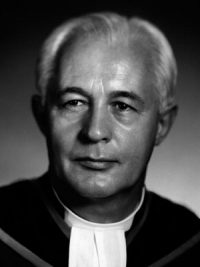
The Rev. Dr. Edward H. Johnson
Moderator of the 95th General Assembly

1968
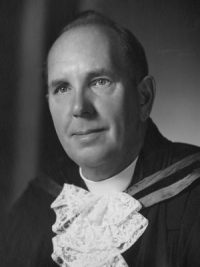
The Rev. Dr. Clifton J. MacKay
Moderator of the 94th General Assembly

1967
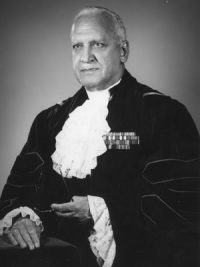
The Rev. Dr. John Logan-Vencta
Moderator of the 93rd General Assembly

1966
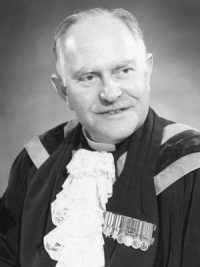
The Rev. Dr. G. Deane Johnston
Moderator of the 92nd General Assembly

1965
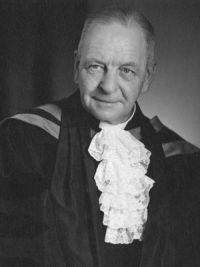
The Rev. Dr. J. Alan Munro
Moderator of the 91st General Assembly

1964
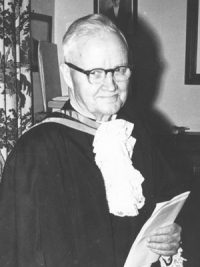
The Rev. Dr. Hugh MacMillan
Moderator of the 90th General Assembly

1963
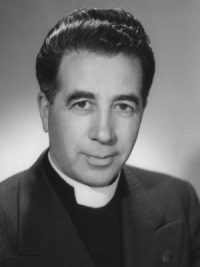
The Rev. Dr. Harry Lennox
Moderator of the 89th General Assembly