
Our Journey to Nepal
By Linda Murray, Elmvale Presbyterian Church in Elmvale Ont.
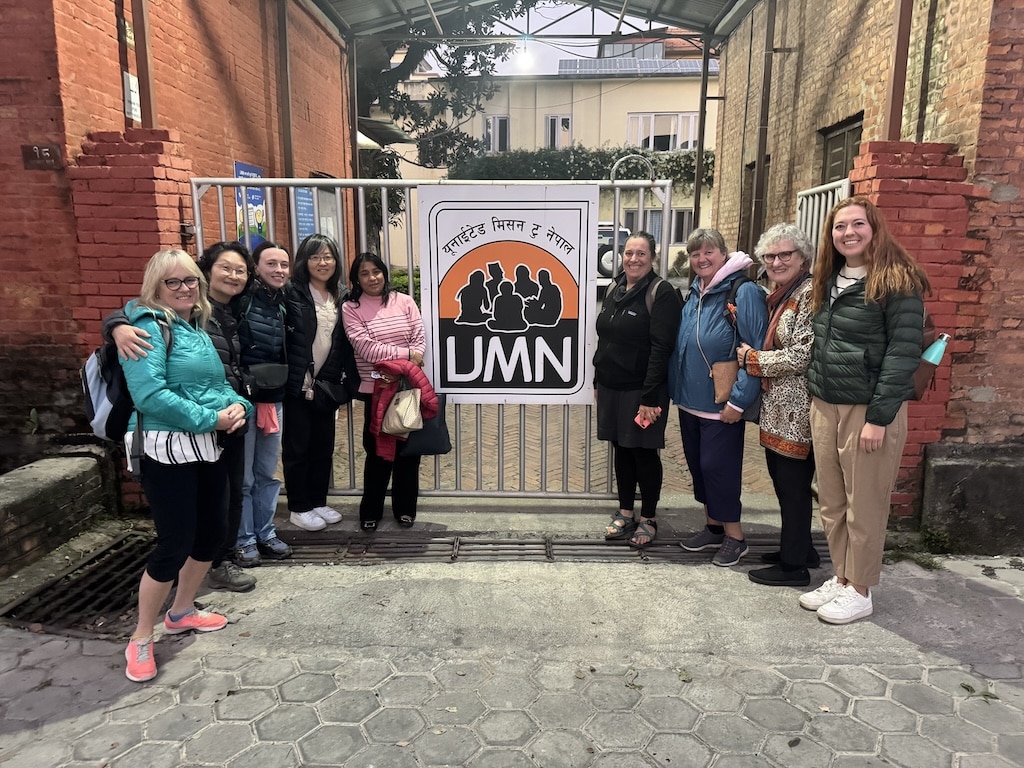
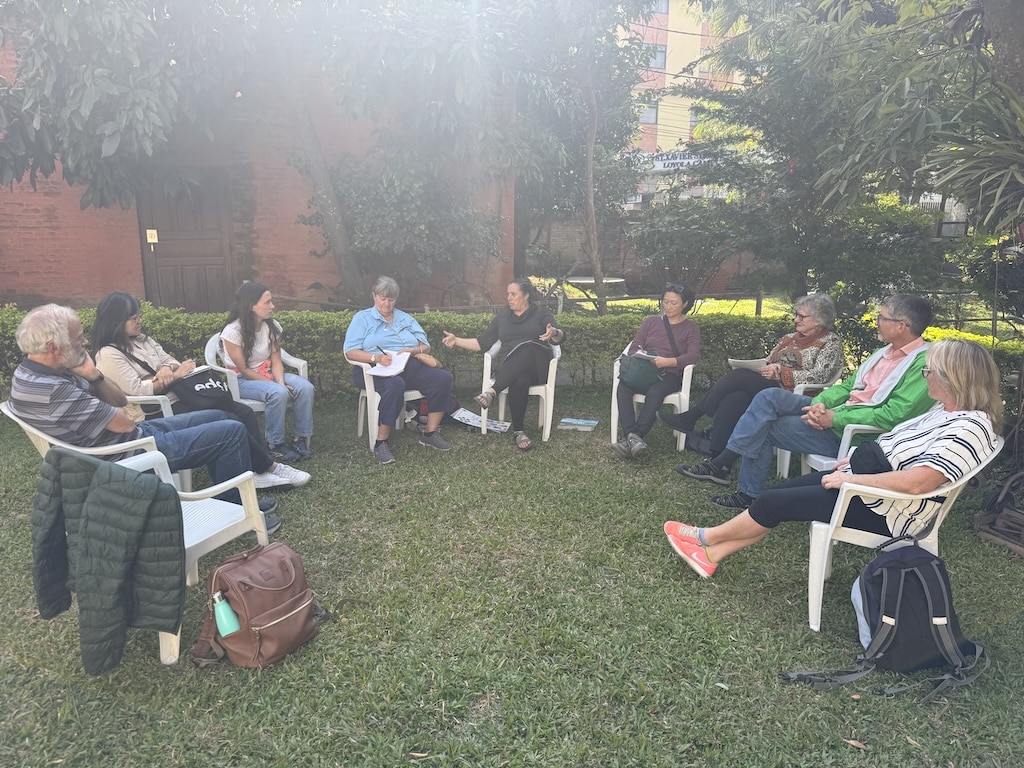
In November, the PCC led a group to visit mission partners in Nepal. Seven people from across Canada, ranging in age from 20 to 80, travelled to visit PCC mission staff the Rev. Lora Nafziger and Mitch Rhodes, and witnessed the work they are doing with United Mission to Nepal (UMN). Participants also visited the United Mission Hospital Tansen, witnessed the life-changing work at New Life Psychiatric Rehabilitation Centre, toured cultural sites, and visited International Nepal Fellowship and Green Pastures Hospital in Pokhara where PWS&D is supporting the medical needs of impoverished patients. The trip was an opportunity to see first-hand how partners supported by Presbyterians Sharing and PWS&D are sharing the good news of the gospel in word and action.
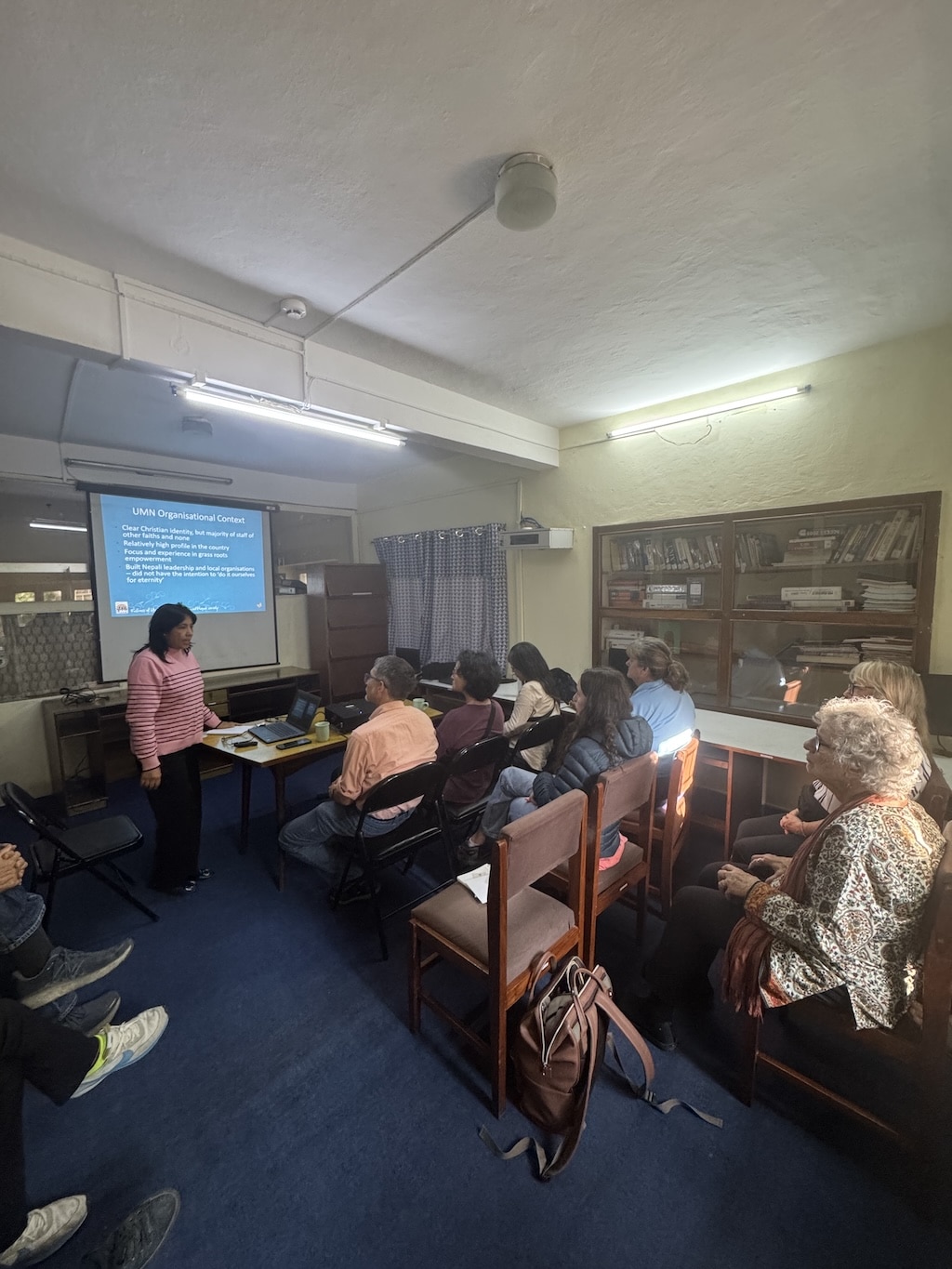
Our journey in Nepal began not with project reports or statistics, but with stories of faith. In Kathmandu, the bustling streets are intermixed with quiet temples. Here, we encountered the living traditions of Hinduism and Buddhism— the two dominant religions that shape much of Nepal’s cultural identity. Alongside them, we discovered the growing presence of Christianity, a faith practiced by a small but vibrant community. Learning about these traditions was more than an introduction—it was a reminder that PCC’s work here unfolds within a rich tapestry of belief, resilience and hope.
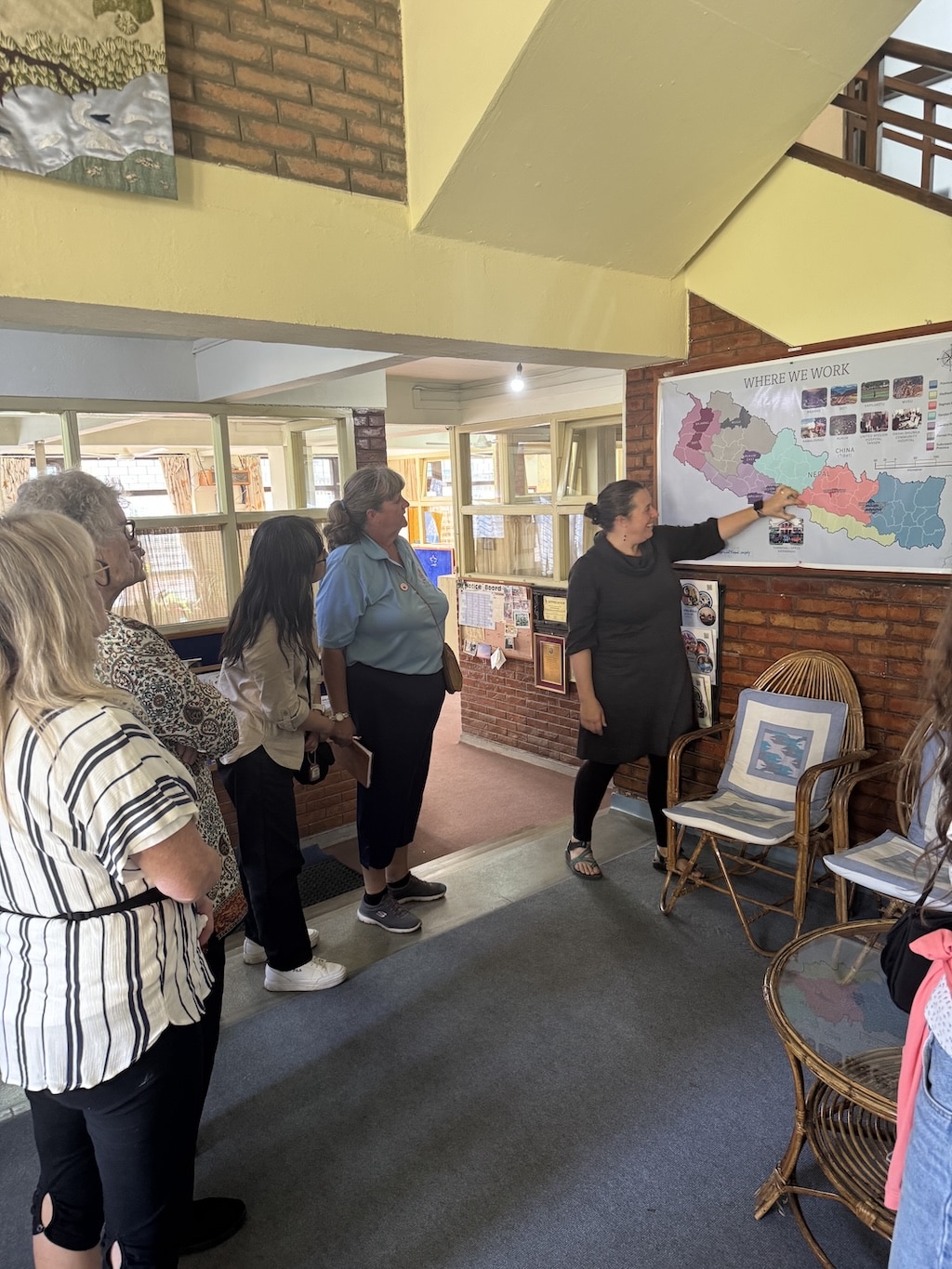
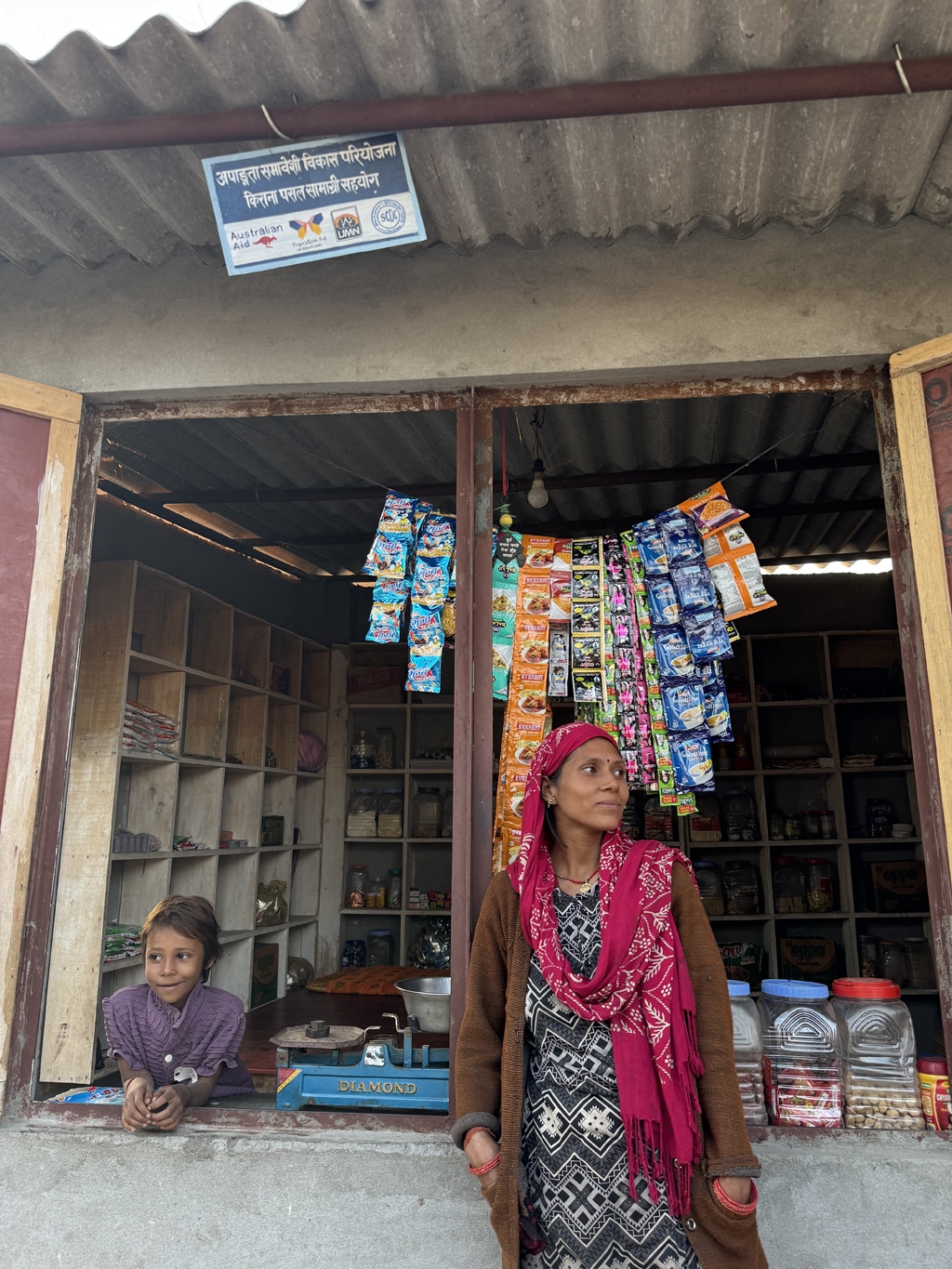
During our visit, we met with leaders of United Mission to Nepal (UMN), an organization supported by Presbyterians Sharing. UMN’s work is rooted in compassion and justice, to reach the poorest of the poor. We visited the United Mission to Nepal Lumbini cluster projects that are in Nawalparasi and Kapilvastu. Their programs span education, health care, sustainable livelihoods and disaster resilience, always prioritizing communities with the greatest need. What struck us most was their commitment to empowerment: rather than offering short-term aid, UMN partners work with local people to build skills, strengthen resilience and create lasting change.
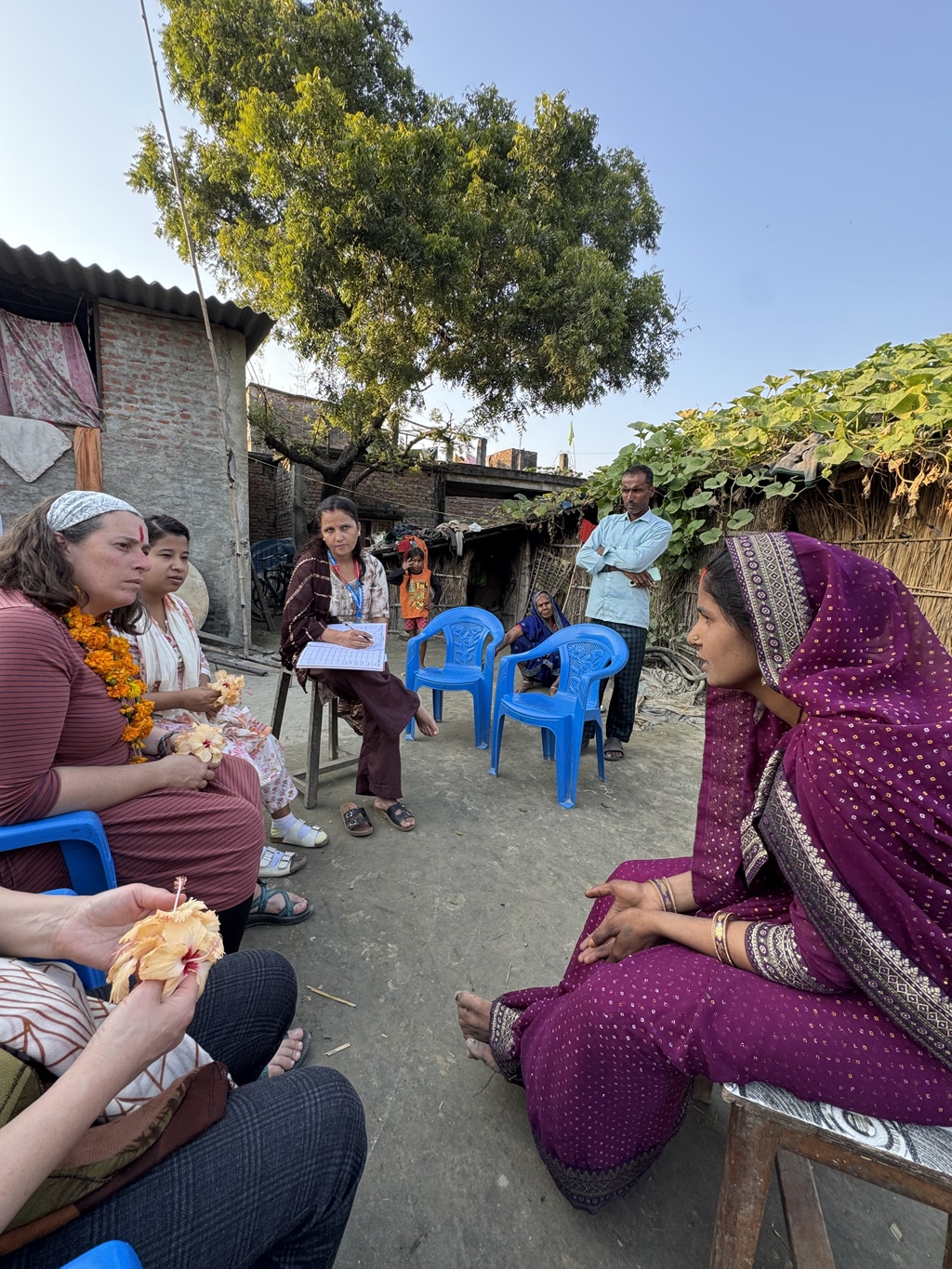
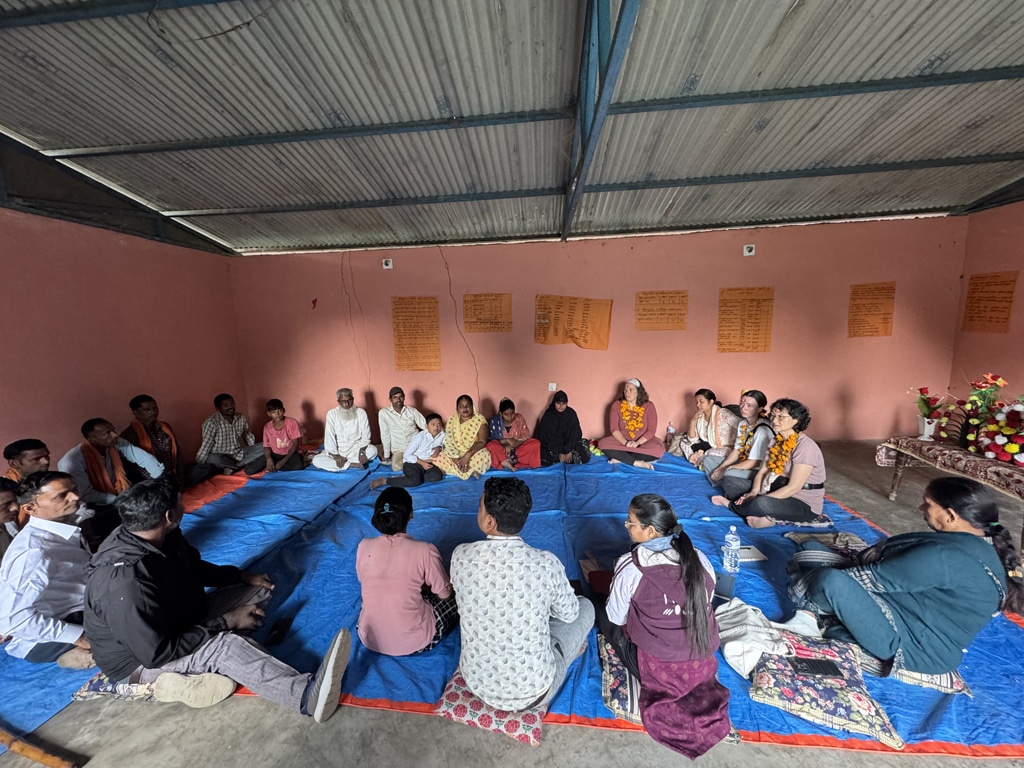
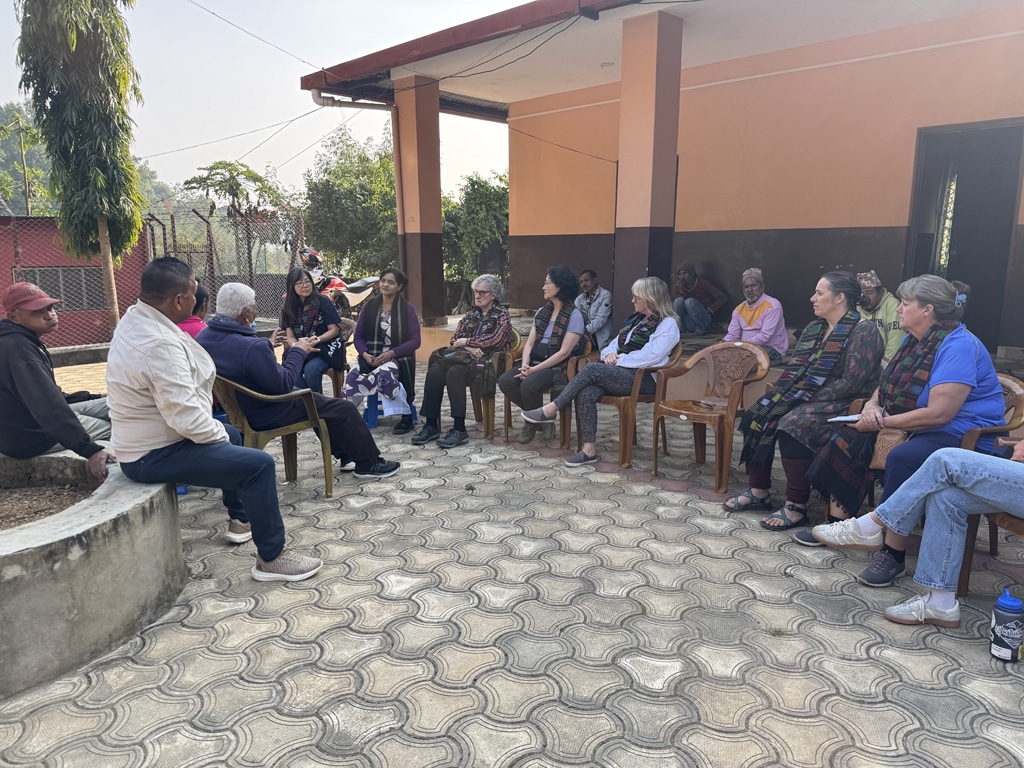
Our first stop was in the Lumbini area. Revered as the birthplace of the Buddha, it is a symbol of Nepal’s spiritual heritage. Amid this backdrop, we met with a small but determined mental health support group. Nine members gathered with two dedicated staff coordinators, sharing stories of resilience and struggle. The group provides a safe space for individuals facing challenges that are often hidden or stigmatized in society. What struck us most was the courage of the participants—their willingness to speak openly, to support one another and to embrace hope for healing. The coordinators emphasized that UMN’s partnership helps to sustain these efforts, ensuring that even those on the margins receive care and dignity.
At our second stop we met Annisika, a young girl whose life has been transformed through medical support funded by UMN, with donations from partners including the PCC. Born with a club foot, she received treatment that not only corrected her condition but gave her the chance to walk and play like other children. What makes this program remarkable is its commitment to long-term care: follow-up continues until the age of 21, ensuring that children like Annisika receive complete treatment and ongoing support. Her story is a powerful example of how Presbyterians Sharing’s partnership with United Mission to Nepal extends dignity and opportunity to people living with disabilities.
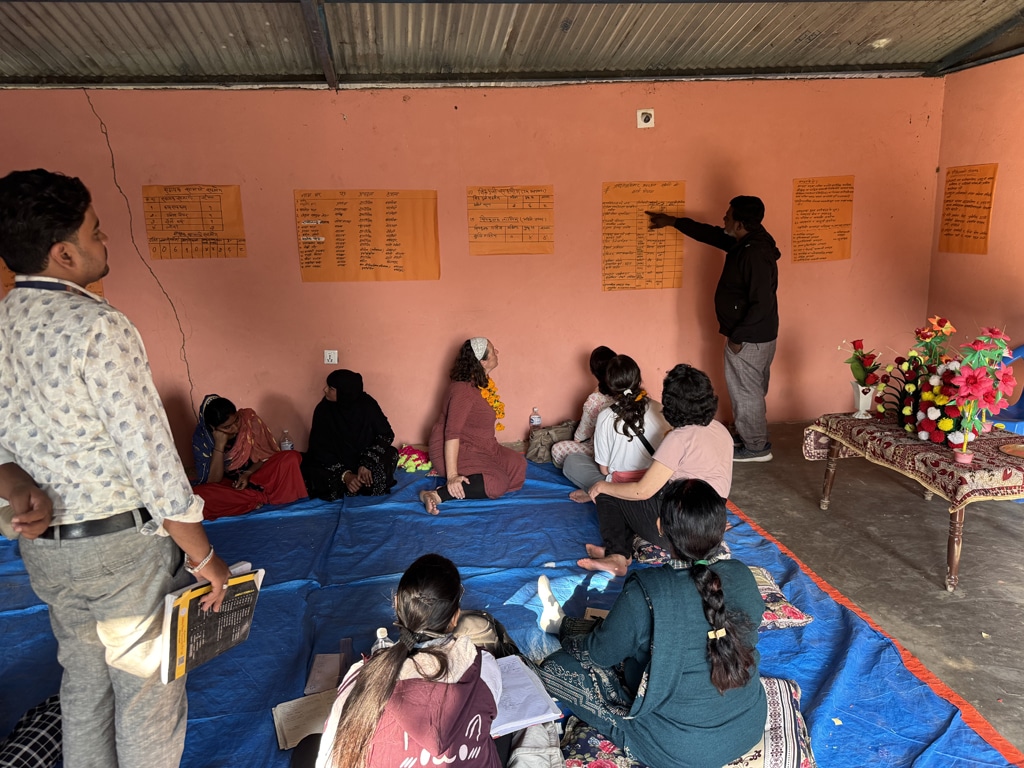
Another inspiring part of our visit was meeting with youth clubs supported by United Mission to Nepal. These groups bring together young people aged 18 to 24, giving them a space to meet once a month and learn practical skills in governance, leadership and goal setting. What begins as training in how to run a club soon expands into real community impact. The youth group organizes homework clubs for children, create opportunities for games and recreation, and engages directly with local government on pressing issues. They are learning to advocate against domestic abuse and child marriage, while also promoting sanitation and environmental awareness. Equipped with these tools, the young leaders return to their villages and put their learning into practice, making life a little bit better for everyone around them.
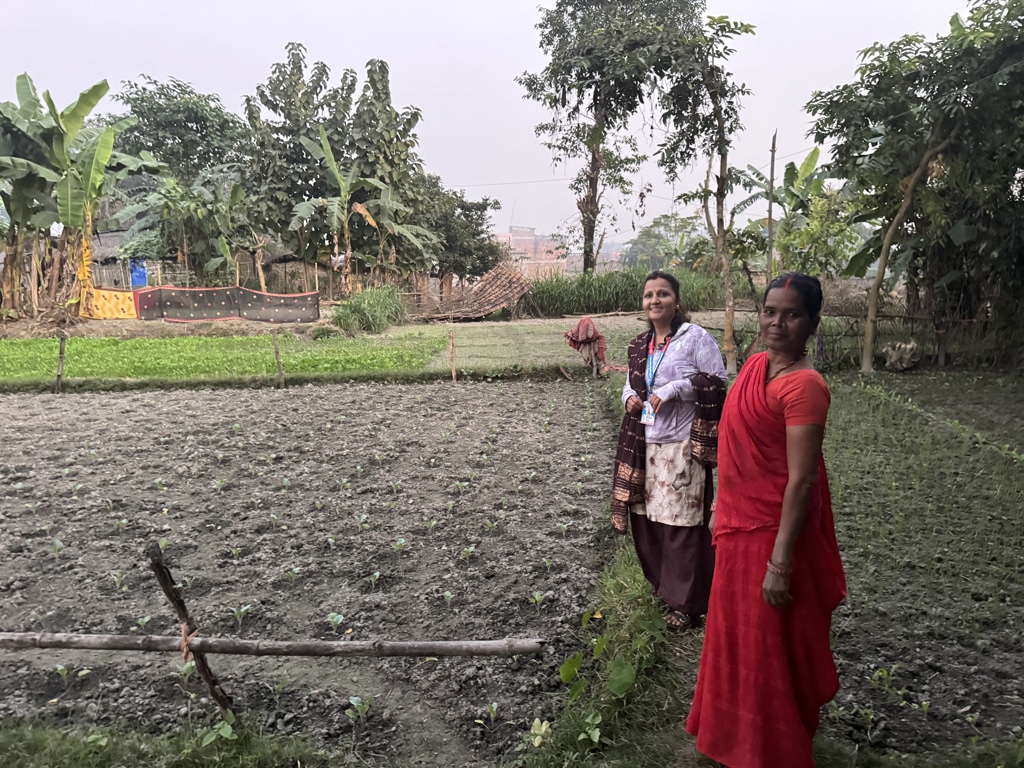
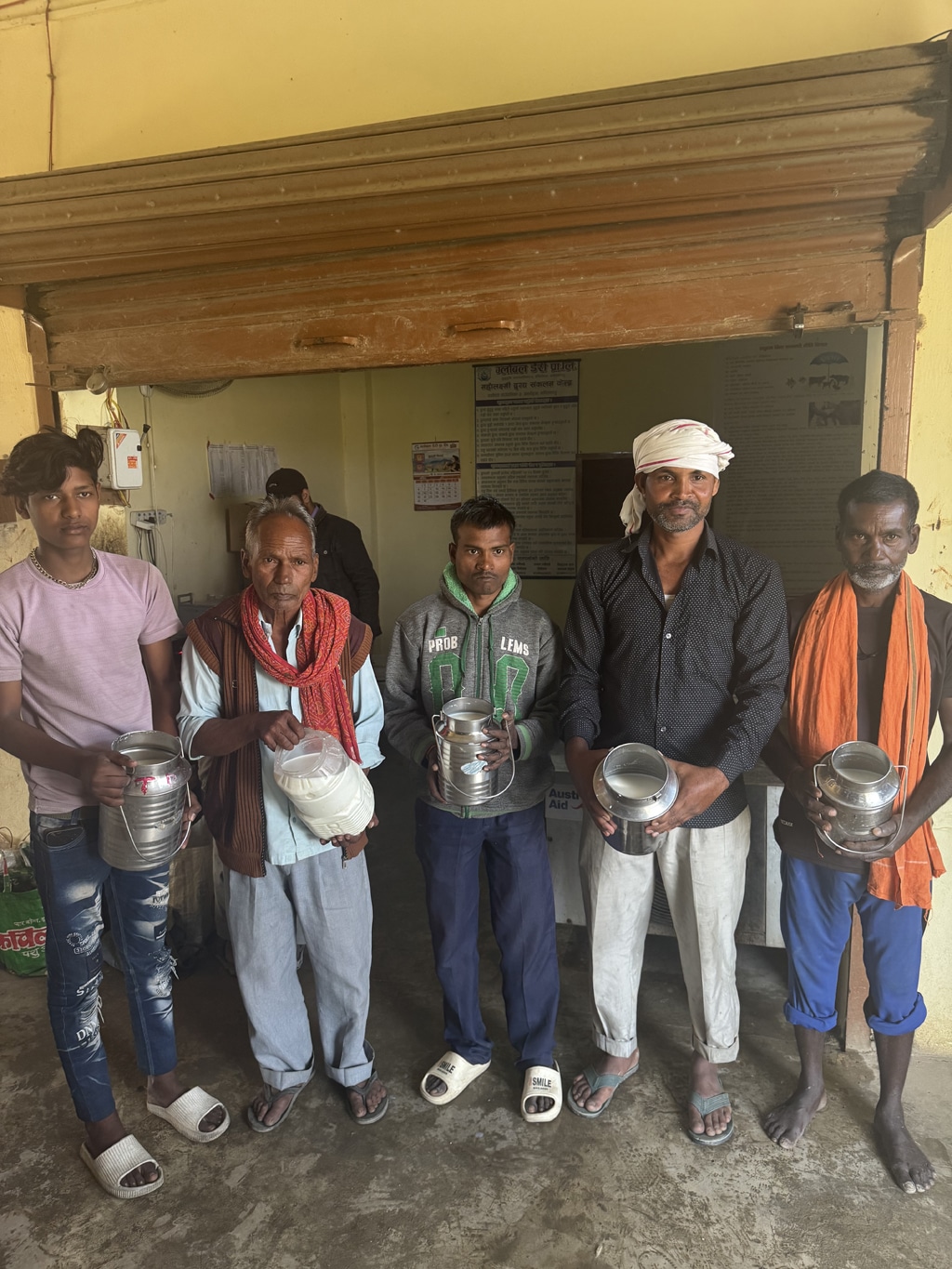
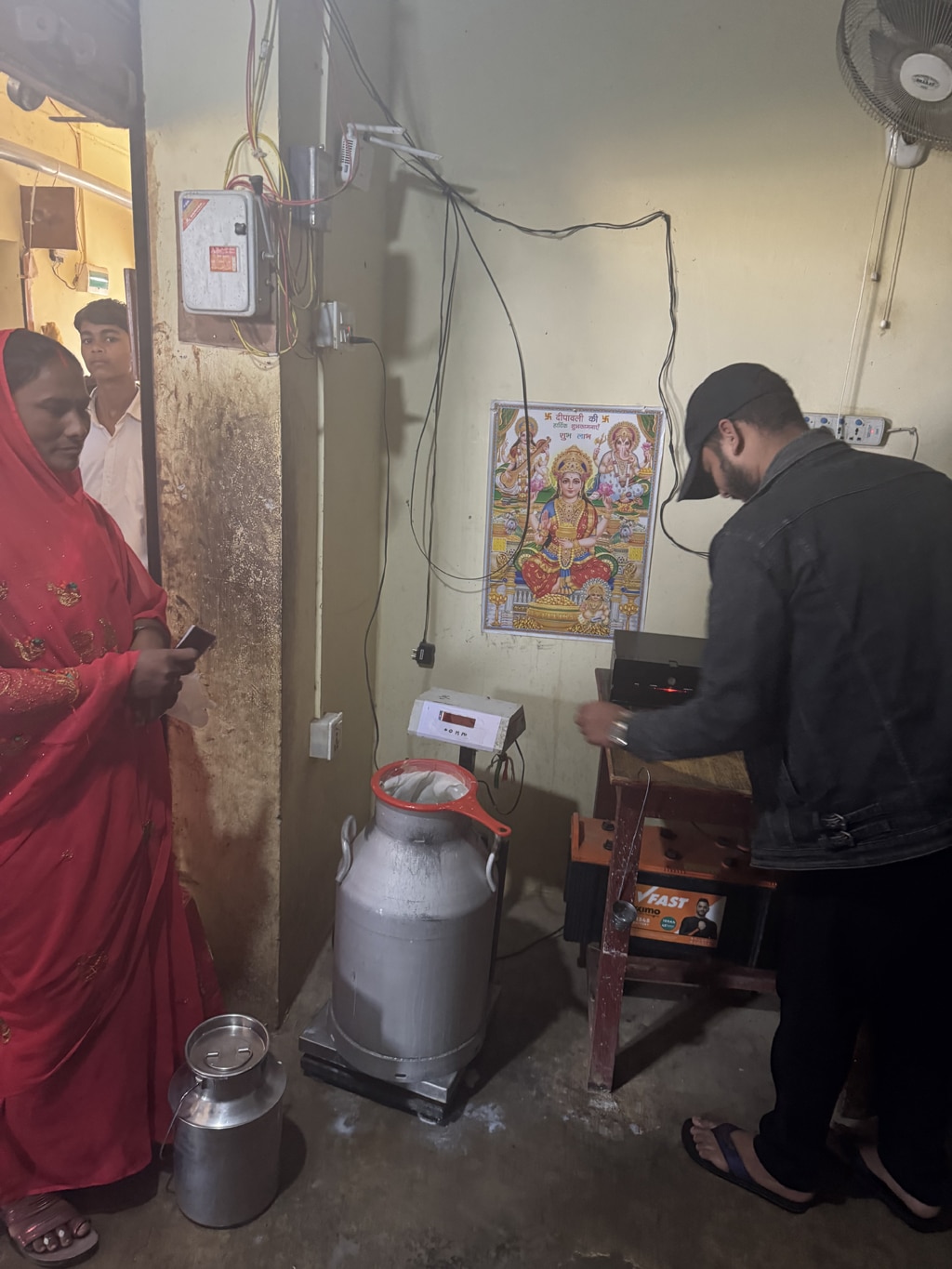
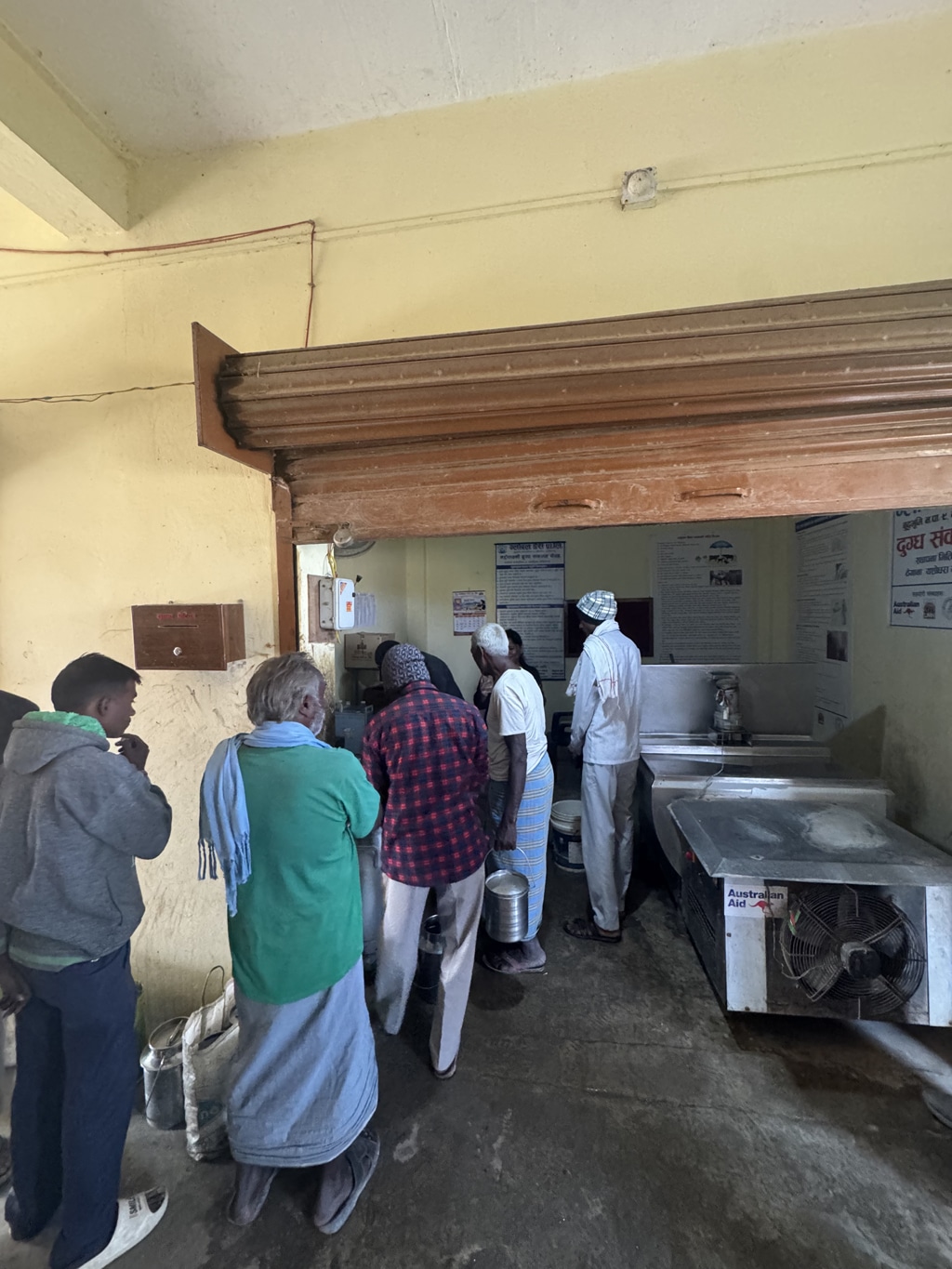
We next visited a farming area, where we learned how innovation and tradition are being woven together to improve livelihoods. Farmers are reducing pesticide use, adopting better irrigation techniques and building water supplies to sustain their fields. The project supports 32 groups, reaching about 45 farmers—most of them women—who are leading the way in sustainable agriculture. Beyond crops, they are experimenting with composting and biogas technology. Already, 14 households have installed biogas systems, saving approximately 7,000 Nepali rupees (approximately $70 CAD) each year, which is essential in a country where the minimum wage is 108 rupees an hour (approximately $1 CAD). This also reduces reliance on firewood, which can be a safety issue in small rural homes. What impressed us most was the ripple effect: these farmers are not keeping their knowledge to themselves. They are travelling to other communities, sharing what they’ve learned, and expanding the reach of sustainable farming practices across the region.
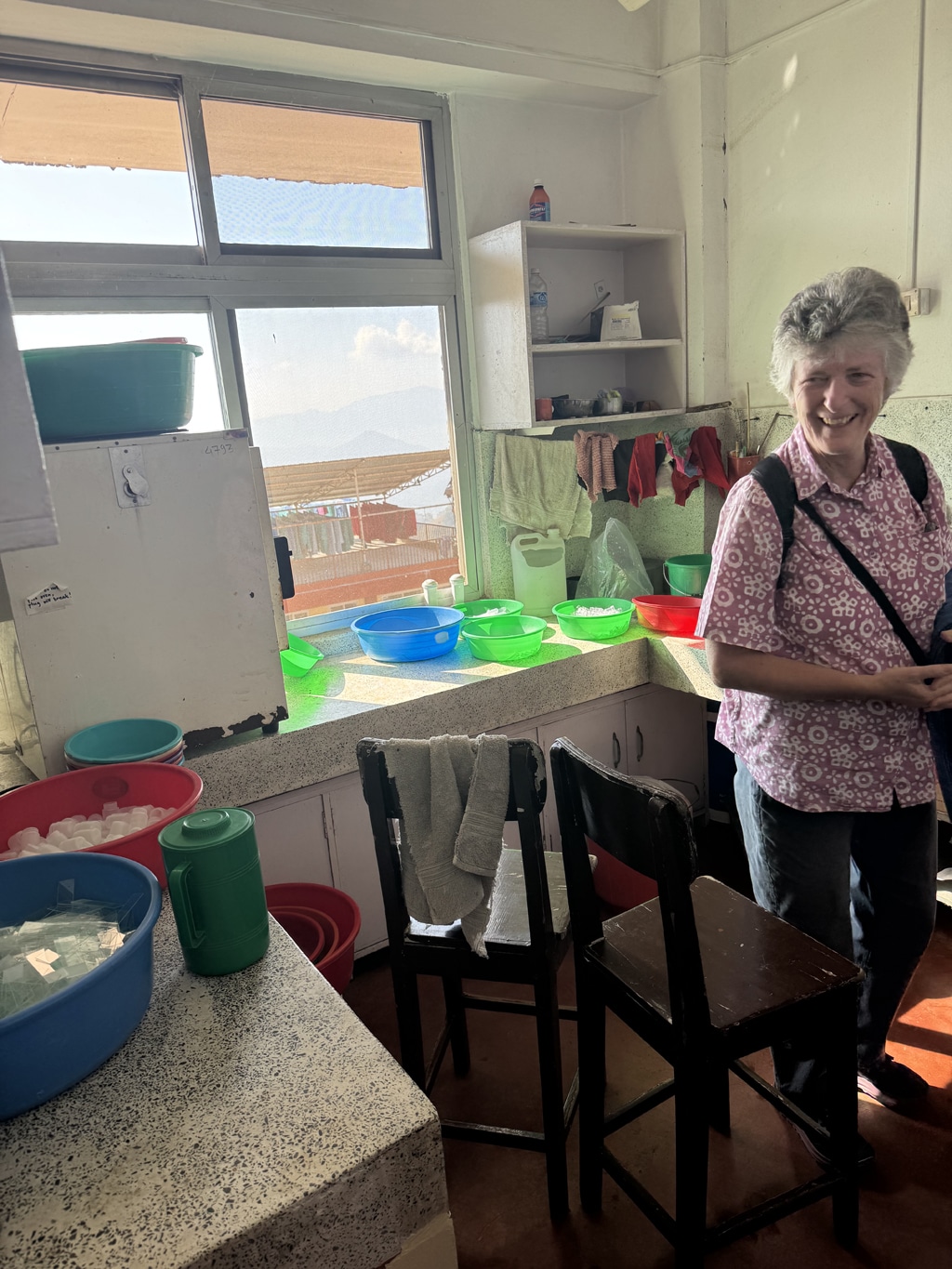
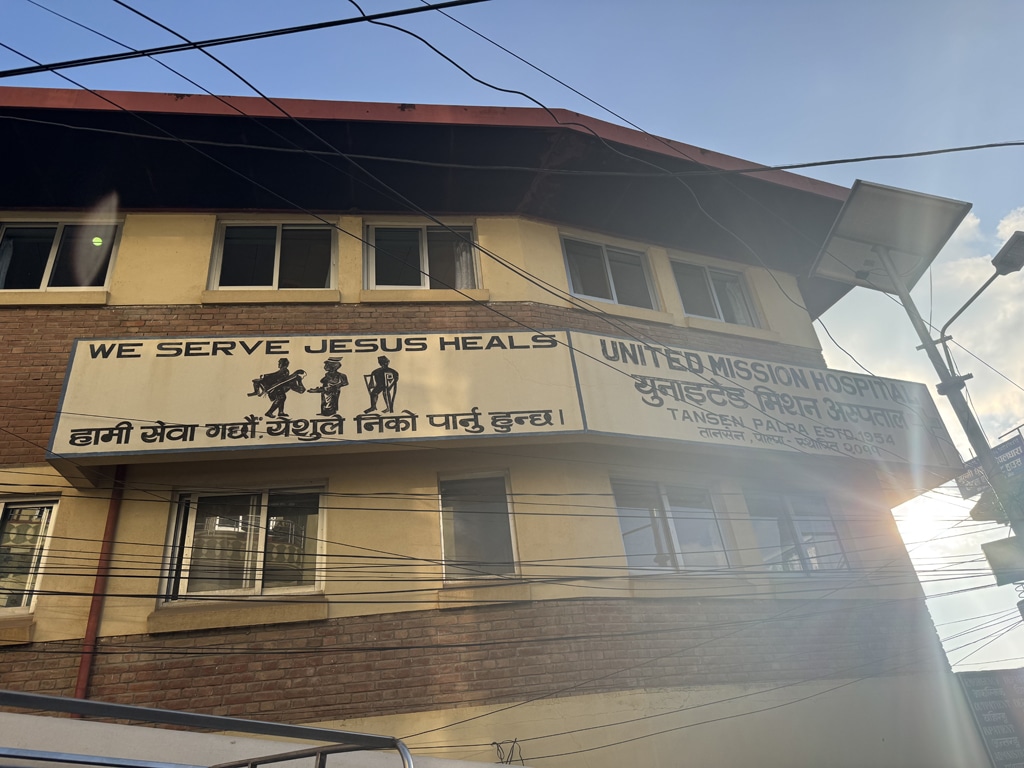
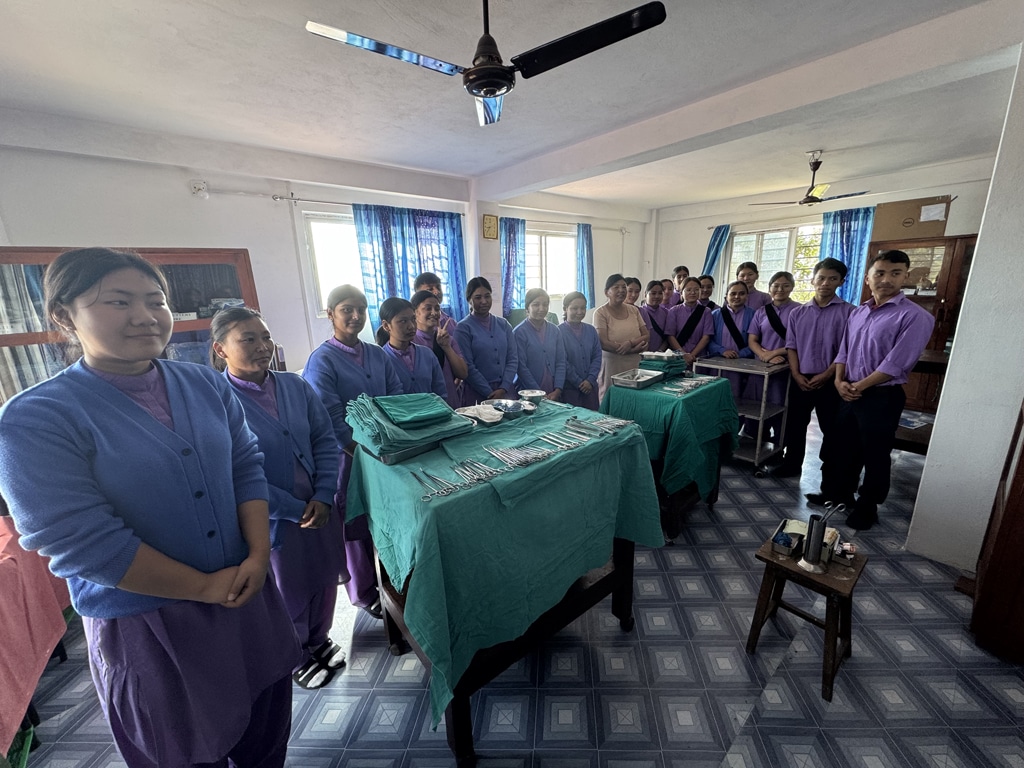
One of the most eye-opening parts of our journey was in Tansen, where we toured the United Mission Hospital. Guided by Marianne Brocqueville, who came from Switzerland many years ago and founded the Nursing School within the hospital compound, we discovered a facility that is remarkably selfsufficient. From ICU to paediatrics, surgery and laboratory services, the hospital produces much of what it needs—filling its own oxygen tanks and even making its own beds, chairs and equipment. The Nursing School, once a pioneering effort, continues to thrive. Today, the school trains students from Grades 10 to 12, equipping them with medical knowledge and practical skills, such as taking blood, reading slides under microscopes and performing simple procedures. These young people return to their villages ready to assist with basic health care, while also studying math, chemistry, biology, zoology and anatomy. Each student also spends a week in pastoral care training, blending medical service with compassion.
Our visit continued at the New Life Psychiatric Rehabilitation Centre, a farm-style complex founded by a local pastor to support people living with mental illness, many of whom were homeless. Here, patients are reminded that they are not alone and are encouraged to help themselves and each other. Socialization is a key part of recovery, and the farm provides a therapeutic environment where clients raise chickens, water buffalo, pigs and crops. The produce not only sustains the centre but is sold to make the program financially viable. In a beautiful act of generosity, the farm also provides food for a local orphanage. This selfsufficient model demonstrates how dignity, community and sustainability can come together to transform lives.
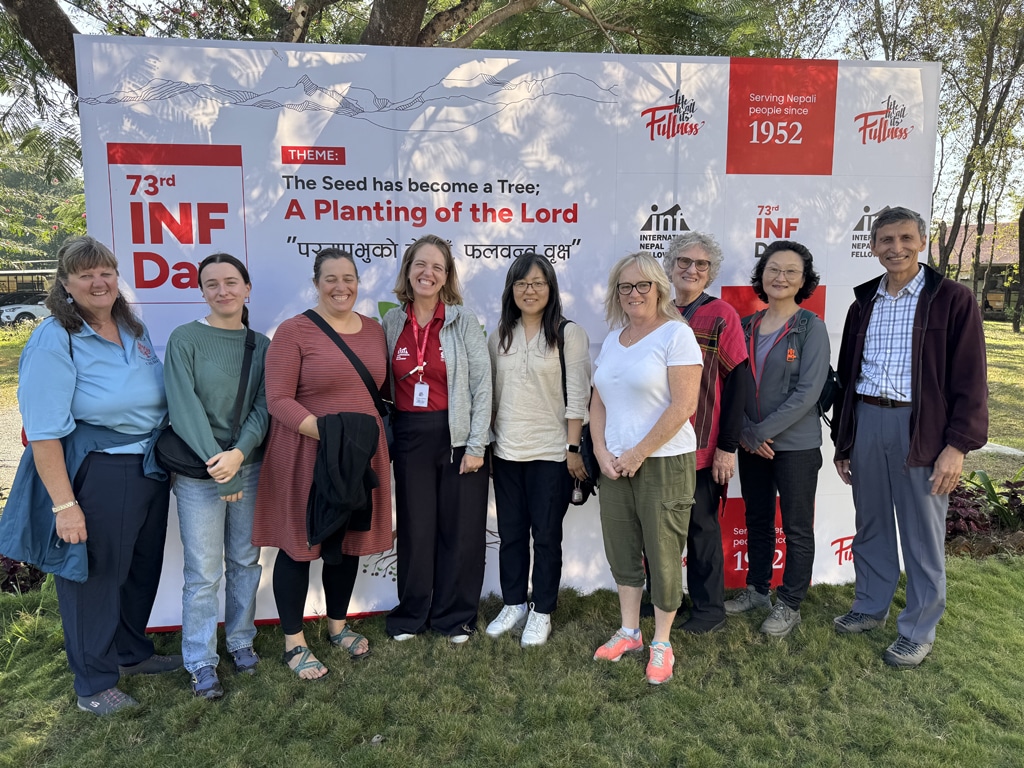
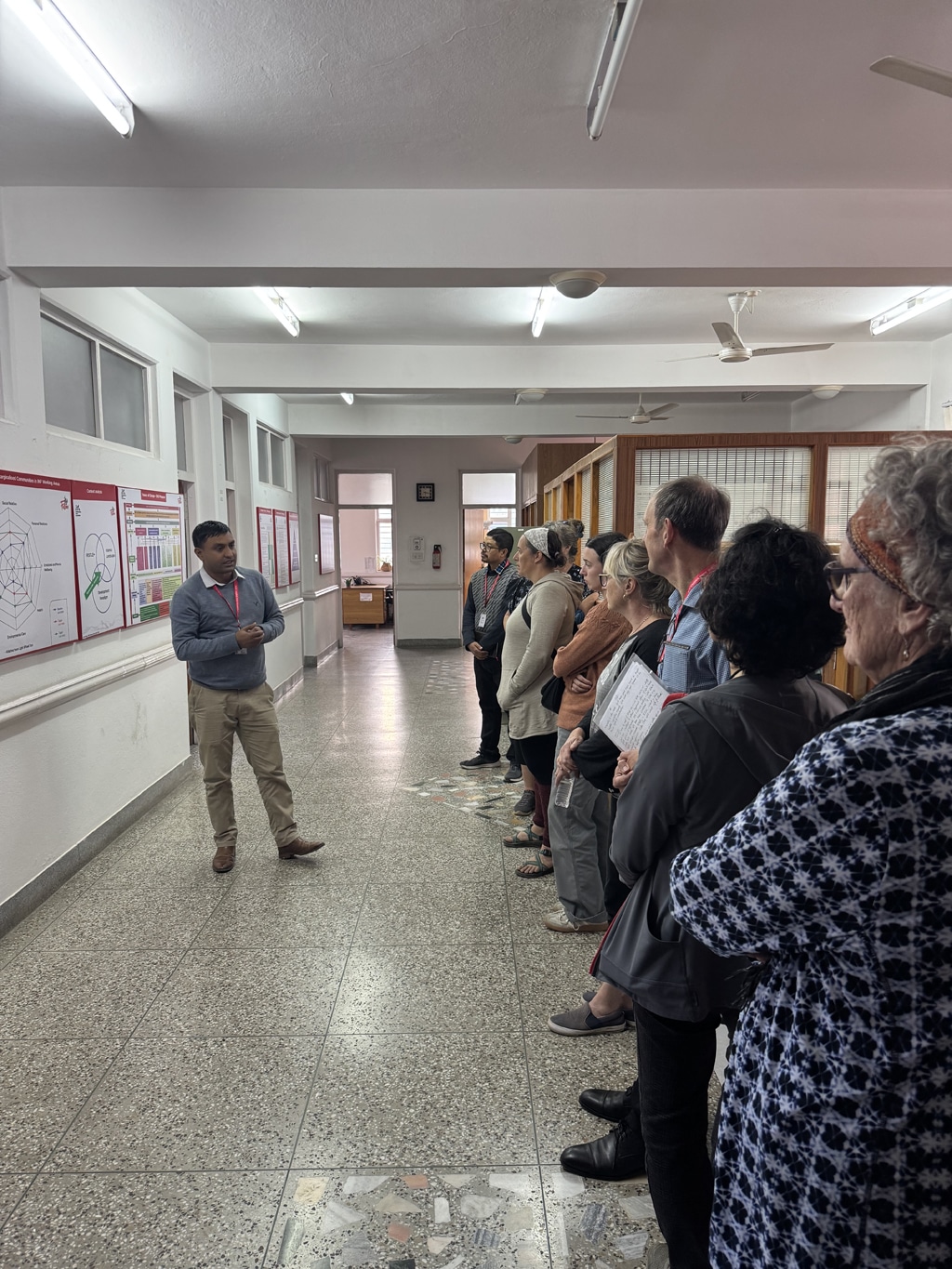
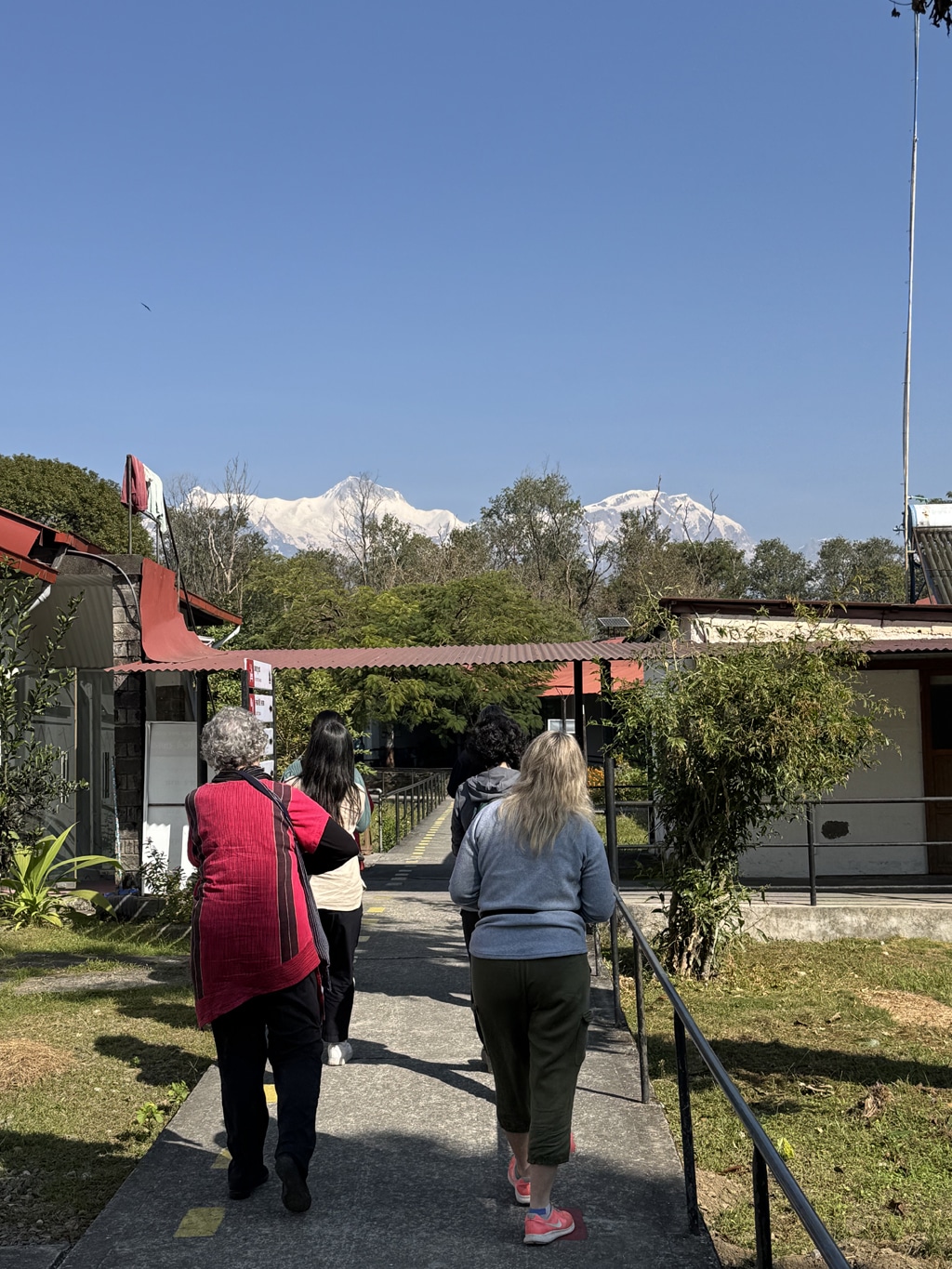
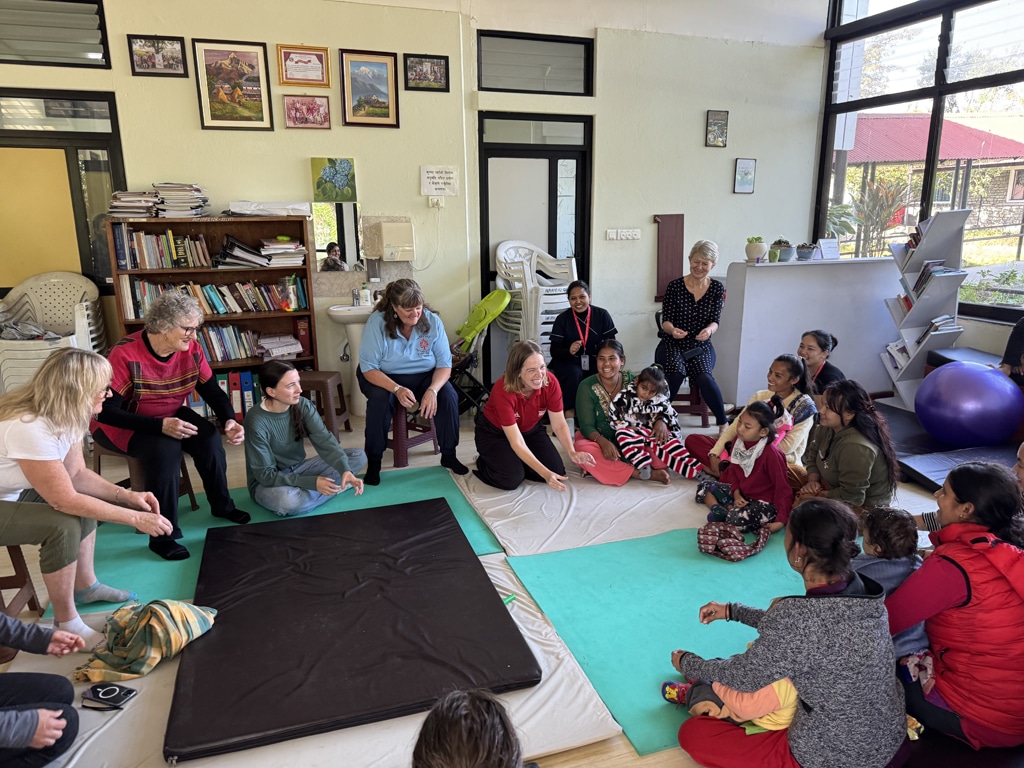
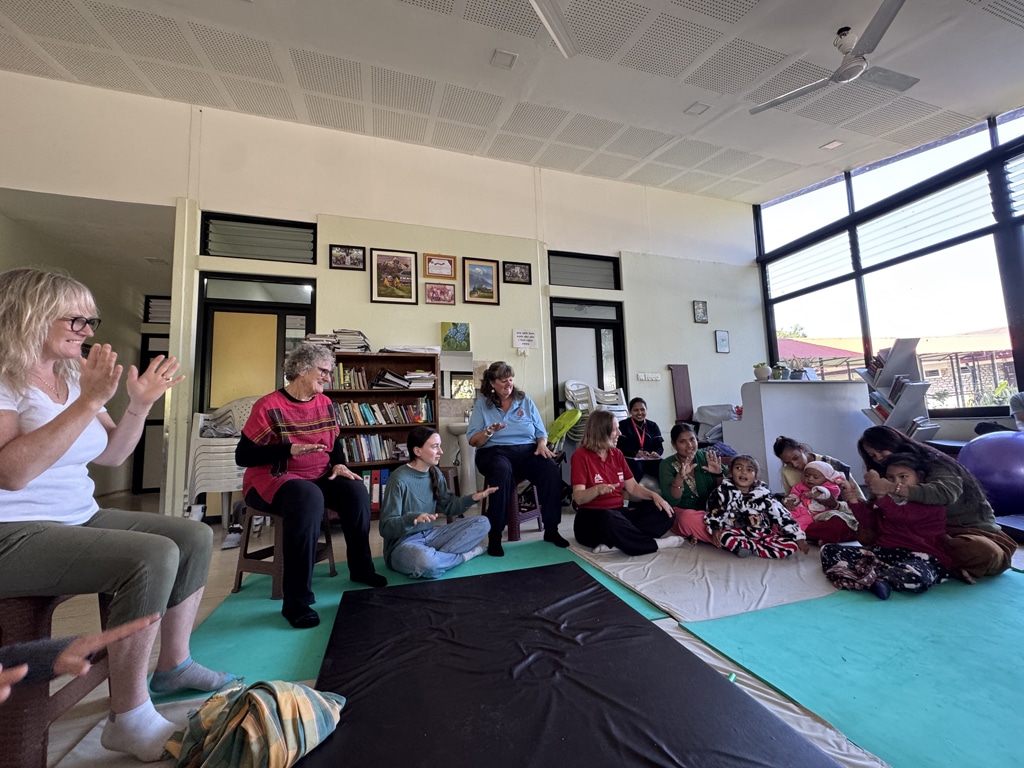
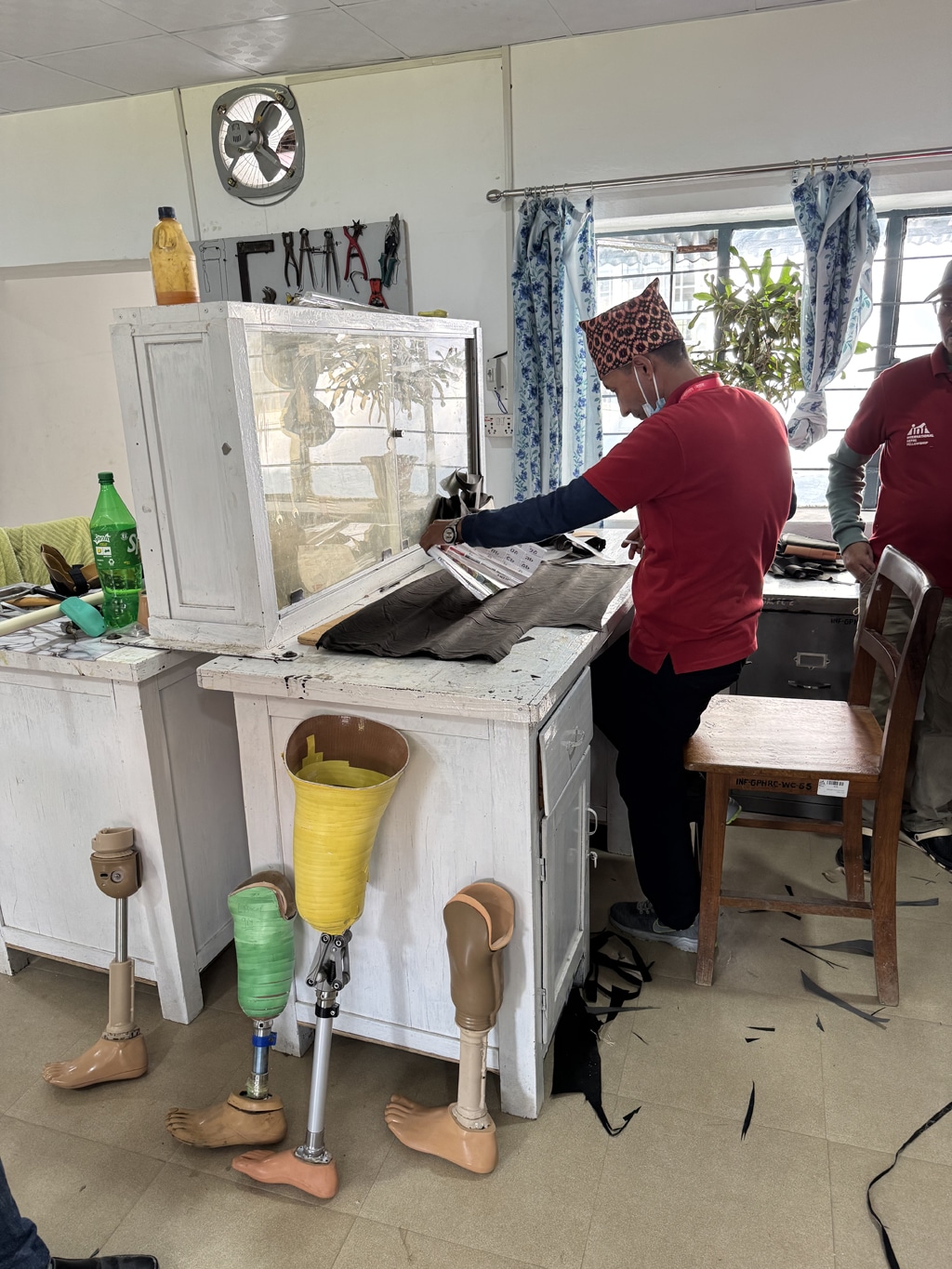
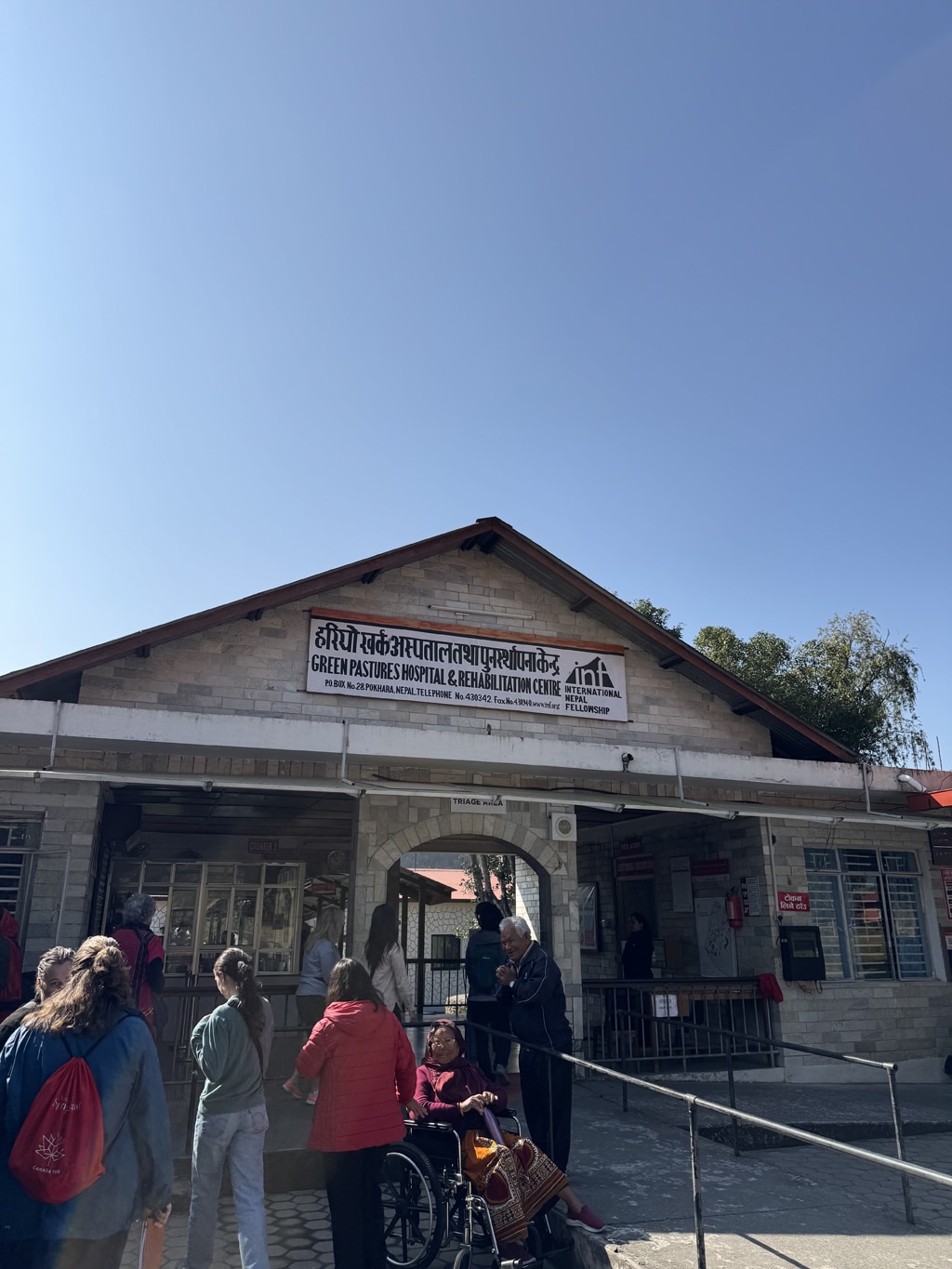
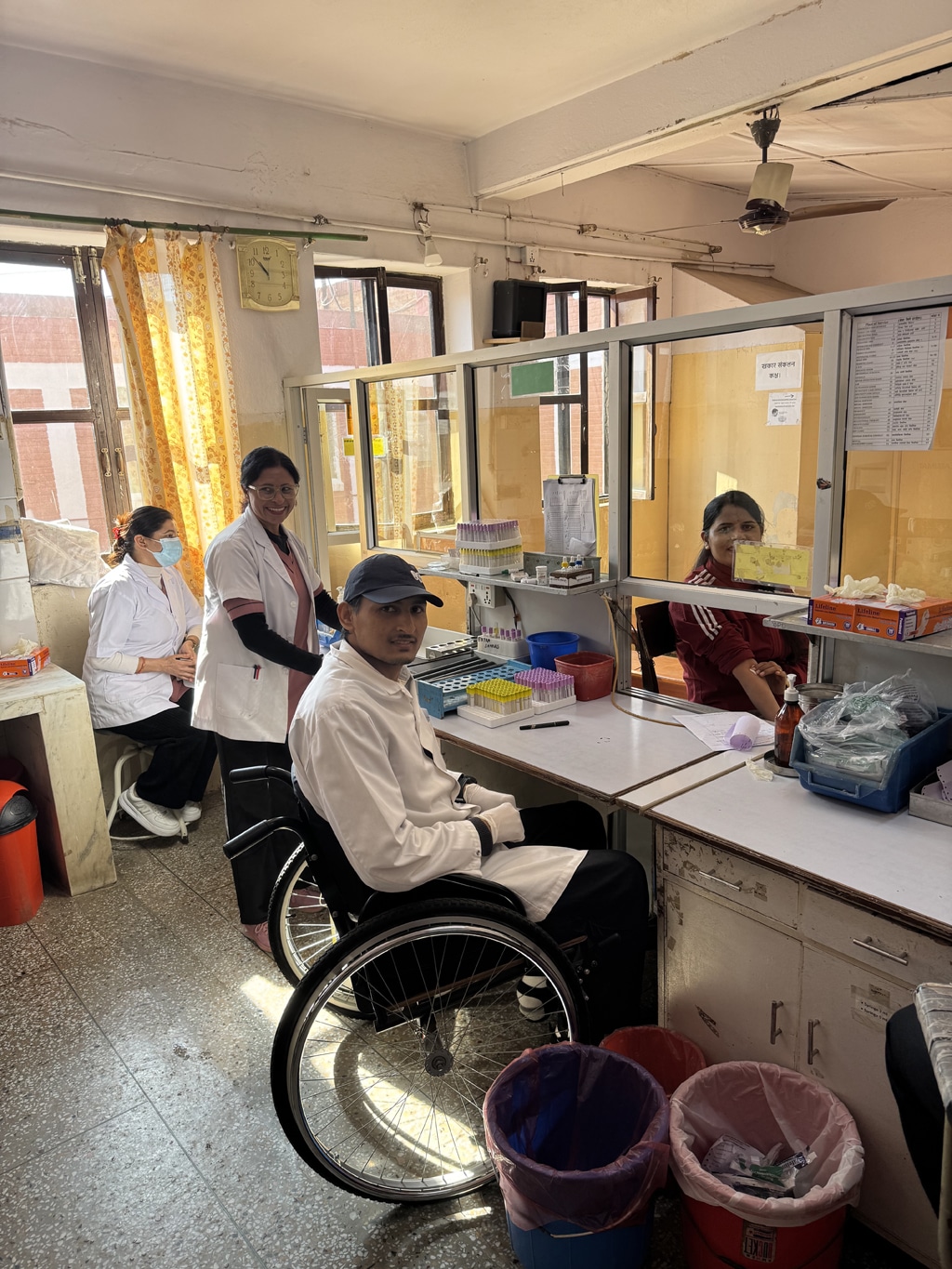
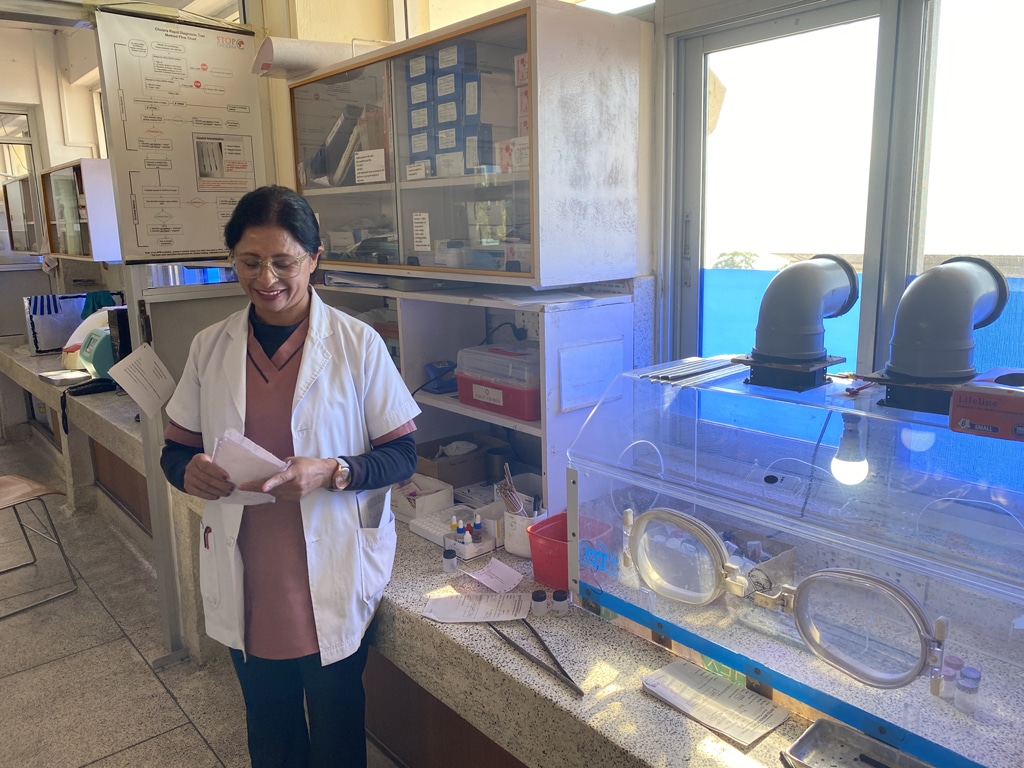
After staying in Tansen, we headed to Pokhara to visit International Nepal Fellowship (INF), which is supported by PWS&D. INF started as a hospital focused on leprosy care. It also has community development projects and a business arm, which helps fund its ongoing work. Green Pastures Hospital in Pokhara started as a rehab and leprosy-focused hospital, but over the years has grown into a full-service hospital. We attended a speech therapy class for children with disabilities and learned some Nepali children’s songs.
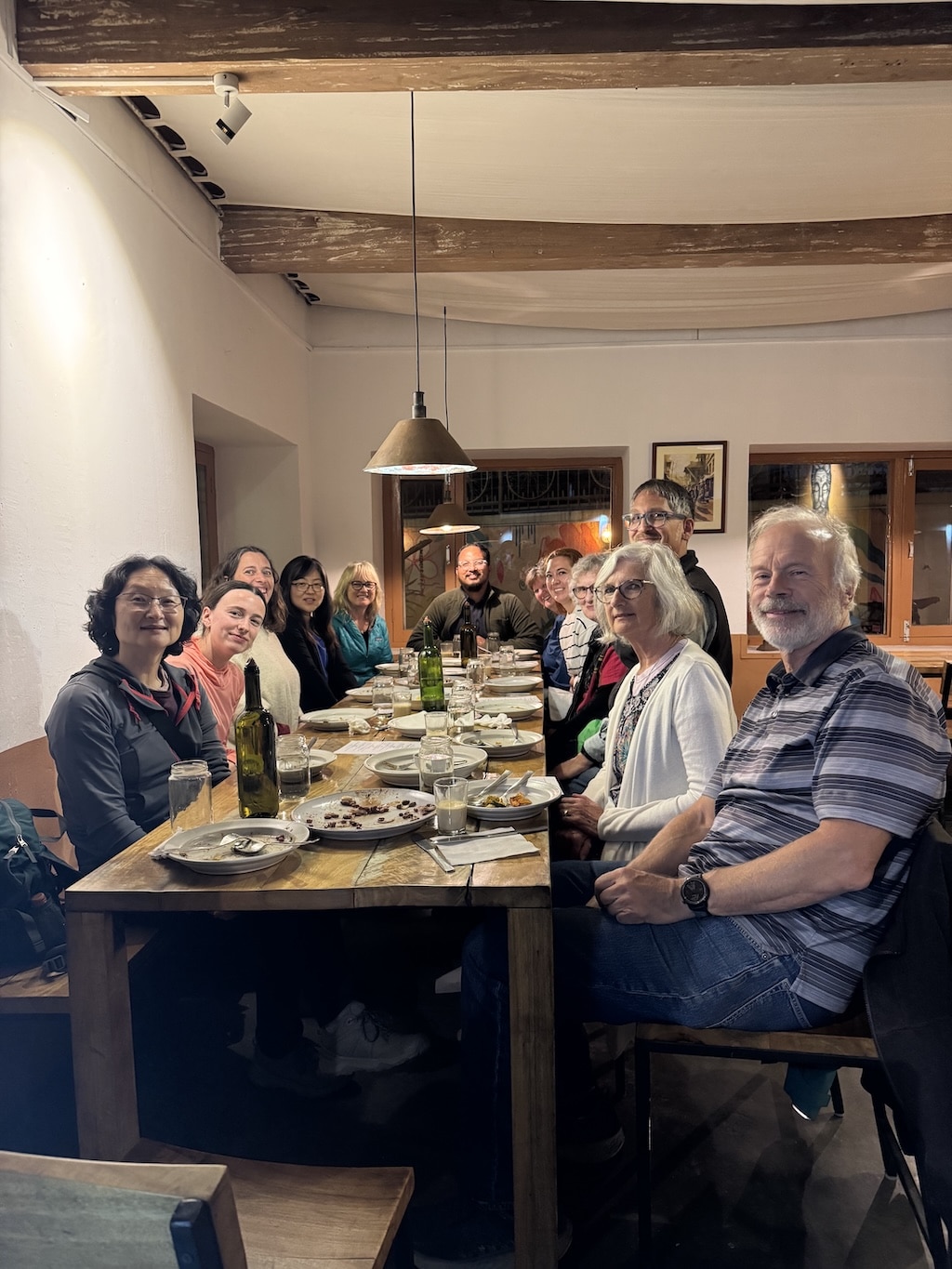
This mission trip was made possible through the assistance of staff at national office and Lora Nafziger, PCC’s mission staff working with UMN in Nepal. Their guidance allowed us to witness firsthand the impact of Presbyterians Sharing on an international scale. Meeting the people whose lives are touched by these programs was one of the greatest gifts we received—a reminder that faith and generosity can truly change lives. We encourage continued support for Presbyterians Sharing. Every contribution goes toward teaching, empowering and spreading knowledge, which ensures that hope continues to grow in communities across Nepal and beyond.
Kathmandu
Community Projects in Nawalparasi (UMN)
Tansen Mission Hospital and New Life Psychiatric Rehab Centre
International Nepal Fellowship and Green Pastures Hospital