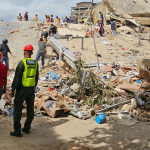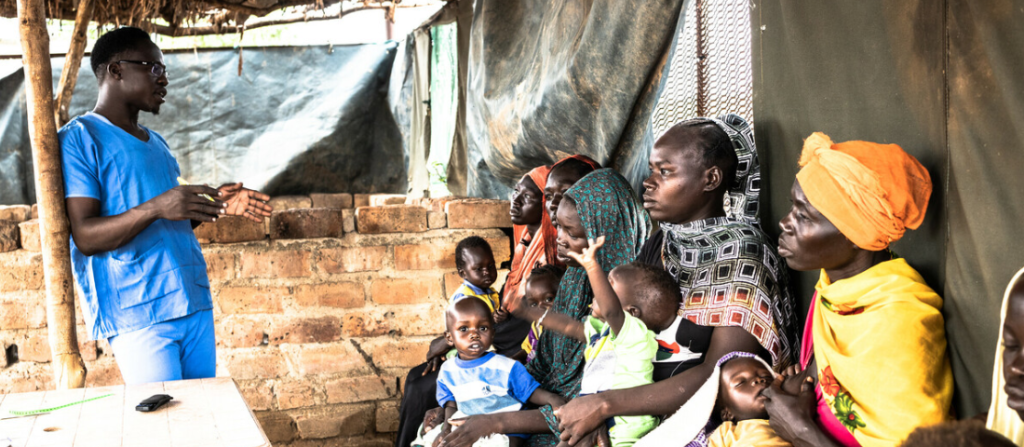
Since mid-2023, violent clashes between the Sudanese Armed Forces (SAF) and the Rapid Support Forces (RSF) in Sudan have resulted in more than half the population—25.6 million people—facing acute hunger and nearly five million people on the brink of famine. The violence has forced people to flee their homes, leading to the world’s largest internal displacement crisis. It is estimated that 7.9 million people have been displaced inside Sudan, and more than two million have taken refuge in neighbouring countries.
Prior to this conflict, Sudan had already been facing its worst humanitarian crisis in recent history. Existing localized conflict, natural disasters, disease outbreaks, hunger and economic degradation had already threatened the lives and futures of millions of children. In the past year alone, the number of people needing humanitarian support has increased by 58%. This is exacerbated by Sudan’s increasingly volatile security situation, which is now one of the most dangerous and complex environments for delivering humanitarian aid.
The situation in Sudan is dire, and yet, this devastating situation continues to be underreported.
Saving Lives
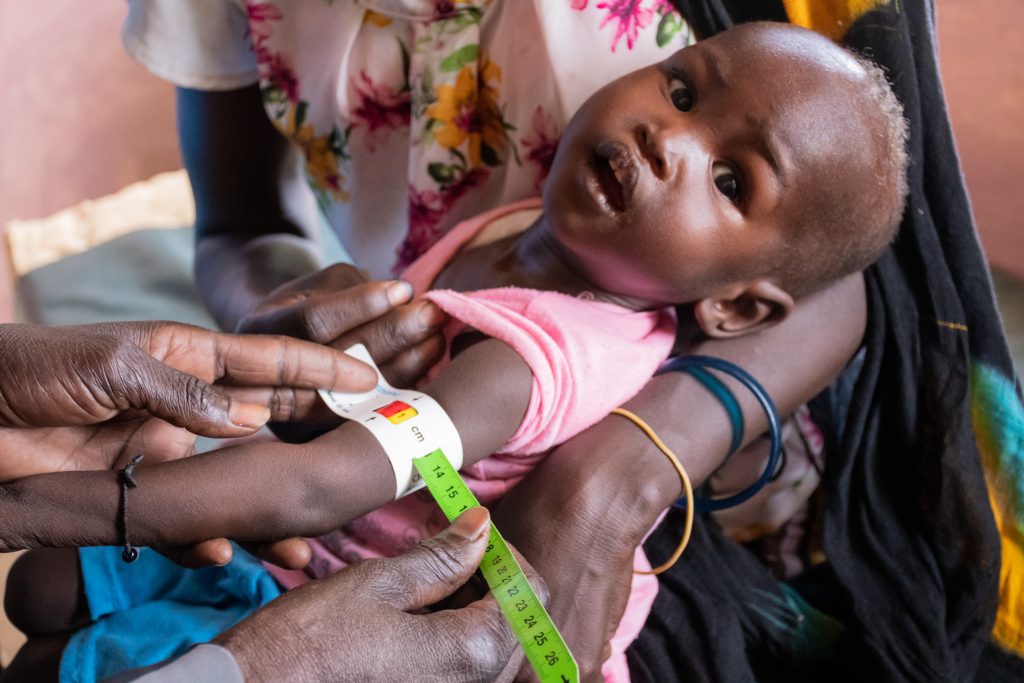
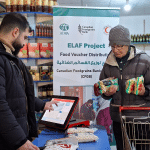
PWS&D is responding to the crisis in Sudan through Canadian Foodgrains Bank member Development & Peace-Caritas Canada and their local partner Trócaire.
To prevent malnutrition and save lives, Trócaire is providing ready-to-use therapeutic food, supplementary food, therapeutic milk, and oral rehydration solutions to over 8,700 people at 15 health centers in the Nuba Mountains, an area that has recently become a fairly secure haven. The project is especially focusing on treating children and pregnant and lactating women.
In addition, through the ACT Alliance, internally displaced persons, refugees and host communities will be provided with assistance, including water, sanitation and hygiene services; safeguarding, protection and counselling in response to gender-based violence; and cash assistance.
Need is Immense
The work that PWS&D is supporting is vital. However, the need is immense; the United Nations’ reports that their Sudan Humanitarian Response Plan for 2024 is nearly 59 percent underfunded.
The Director-General of the World Health Organization (WHO), Tedros Adhanom Ghebreyesus, has pointed out that ongoing conflicts in places like Afghanistan, Yemen, Ethiopia, Syria and Sudan are receiving only a fraction of the attention compared to the ongoing conflict in Ukraine.
PWS&D understands the importance of advocating for the people of Sudan. Along with other Canadian international relief and development organizations, PWS&D signed on to a joint statement directed at the Government of Canada. The statement urged the government to “demonstrate strong political leadership by increasing diplomatic engagement to secure a ceasefire” and calling for “humanitarian access…to secure the delivery of humanitarian goods and services necessary to alleviate the suffering of Sudanese civilians.”
To support PWS&D’s response in Sudan and other underreported crises, please click below.

* This story was originally published in the Winter 2024 issue of the Presbyterian Connection newspaper.