Food insecurity in Afghanistan remains alarmingly high, having risen consistently since the Taliban took control of the country again in August 2021. Winter months only exacerbate the situation.
The climate crisis increases challenges for communities across the country. Erratic weather conditions have become the norm. Heavy rains leading to flash flood, followed by drought-like conditions make any sort of agricultural planning tremendously difficult.
In addition, many of the tens of thousands of families who were forced to return to Afghanistan from Pakistan came back with nothing, some having never lived in the country, and with few opportunities existing to make a living and feed their children.
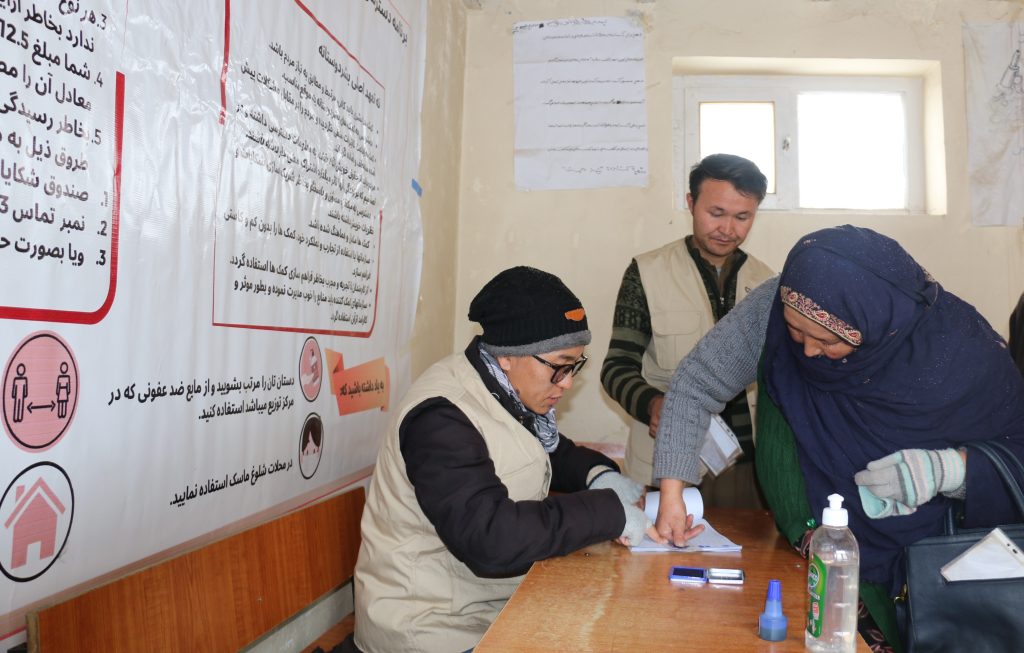
PWS&D, working with our local partner (not named for security reasons) and with funding from Canadian Foodgrains Bank*, is implementing a second phase of food assistance between December 2024 and April 2025. Over the five months of the project, 1,870 households will have received monthly cash assistance to use for food and to help meet essential needs.
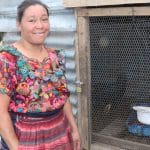
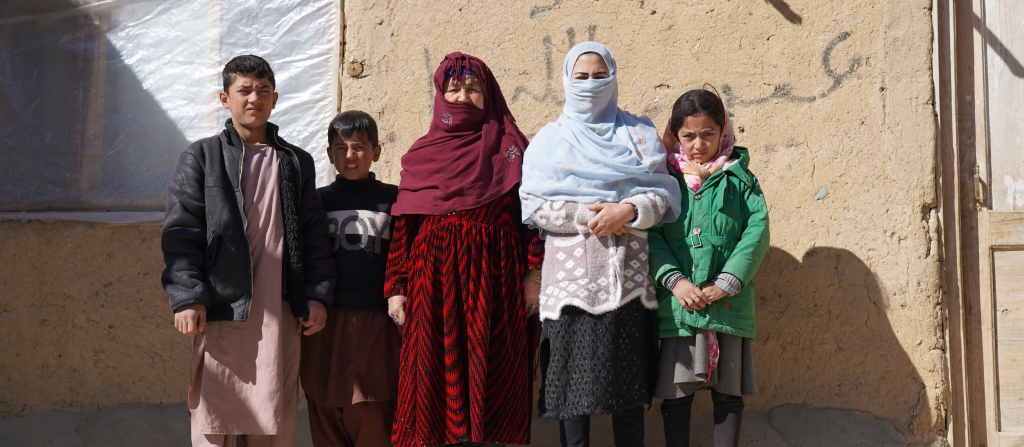
Marjan is a 52-year-old widow who lives in Bamyan province. She is the sole provider for the family since her husband’s death in 2022. Her eldest daughter was able to attend school until grade eight but was then forced to stop her education due to restrictions on girls’ schooling in the country. Her other daughter and two sons are still in primary school. Despite how challenging it is to afford, Marjan remains incredibly committed to her children’s education.
Marjan’s husband, Ahmad Jan, died to complications due to COVID-19, and the inability of the family to afford medical care. Compounding these difficulties, Marjan suffers from rheumatism, which not only causes her severe joint pain but makes it difficult for her to practice her livelihood—rug weaving. While she was once able to earn a modest income, the absence of a market in the conflict-affected country and her declining health, means things have almost dried up.
“Sometimes, I simply wish for food to be available at home but my children long for something to eat,” she laments. “Most days, we only have bread for our meals, once or twice a day, and often skip dinner. It’s rare for us to have dishes like rice, beans, or potatoes,” said Marjan, “I once owned a small plot of rain-fed land, where I cultivated wheat and potatoes. However, the prolonged drought in the area, one of the regions most severely impacted by recent droughts, has left us unable to harvest anything from it.”
With the monthly cash assistance, Marjan can finally afford essential food items. The whole family feels the relief of not living with the worry of where their next meal will come. Marjan plans to continue carpet weaving for stability. She has also set aside some flour and beans for the coming months, when the food assistance is no longer available.
“You may not realize just how much this support has meant to us,” Marjan shares. “As a single woman with no income, it has been a lifeline. Each month, we have had a diverse and ample supply of food on our table. It’s the first time since my husband’s passing that my children have had enough to eat.”
PWS&D is grateful for the support received from numerous other denominations at Canadian Foodgrains Bank and for funding support from Global Affairs Canada that made the scale of this project possible.
* This story was originally published in the Spring 2025 issue of the Presbyterian Connection newspaper.