Malawi’s southern region is currently among the most food-insecure areas in the country. Mulanje District is particularly affected, with maize production estimated at only 25–35% of the five-year average. This is mainly due to climate change impacts, including unpredictable and poor rainfall, prolonged dry spells and other climatic shocks such as cyclones. Those most severely affected are coping by eating less nutritious foods, skipping meals, engaging in piecework and selling household assets.
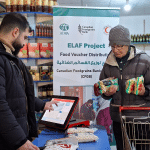
To address these urgent needs, PWS&D’s local partner, Churches Action in Relief and Development, has launched an emergency food response. Between January and March 2026, the most marginalized and food-insecure households will receive monthly cash transfers. The project will especially target female-headed, child-headed and elderly-headed households; households caring for orphans; those with chronically ill members; and households headed by persons with disabilities. The cash assistance will enable families to choose what food to purchase in local markets, while helping ensure they can meet essential nutritional needs.
The project will also incorporate a gender empowerment component to ensure that a greater proportion of women directly benefit. Training on gender-based violence and its prevention will aim to make men, women, boys and girls aware of their rights and what constitutes abuse. The meetings will also promote understanding of feedback and reporting mechanisms, empowering participants to voice any violations of their rights.
This assistance will help relieve families for the next two months; however, the need remains great due to ongoing climatic shocks and persistent food insecurity.
To donate towards this vital work, click below.

*This project receives support from Canadian Foodgrains Bank. PWS&D is a member of the Foodgrains Bank, a partnership of 15 churches and church agencies working together to end global hunger.