*This story was written by PWS&D’s partner, with minor contributions from PWS&D communications.
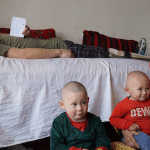
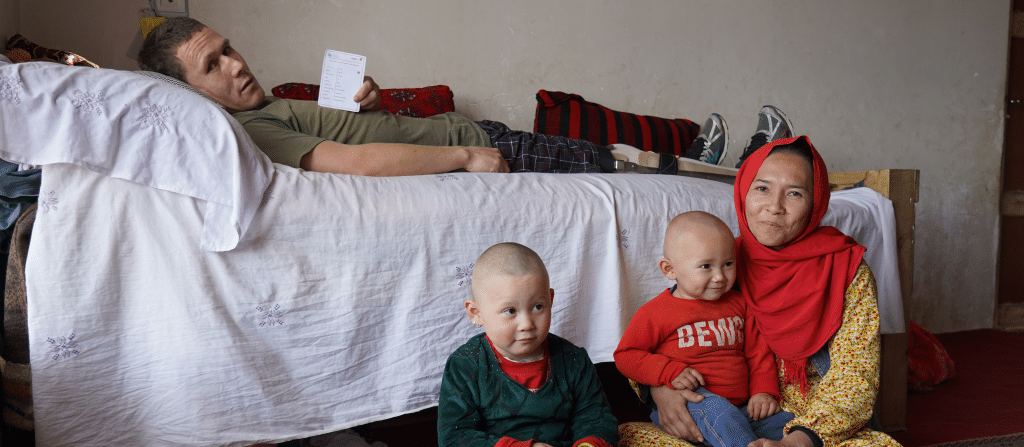
Jamshid Wali*, a 25-year-old resident of Shahrak-e Safa village in central Bamyan Province, Afghanistan, is the sole provider for his family of five, including his wife, mother and two young children. Jamshid and Marwa got married in 2020, beginning their life together with hopes for a stable future. However, mounting debt and persistent economic hardship placed immense strain on the young family from the beginning.
With limited livelihood opportunities in Afghanistan, their situation continued to deteriorate. Jamshid tried to find a job to support his family but was forced to leave the country and migrate to Iran. Before making this difficult decision, he had worked on farms and in restaurants, taking whatever jobs were available in Afghanistan, but none of them provided a reliable or long-term source of income.
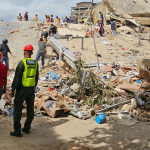
In late 2023, Jamshid attempted to reach Iran via an irregular migration route in search of work. While travelling in a vehicle near the Afghanistan–Iran border, when the driver tried to flee after being pursued by the police, the vehicle veered off the road and crashed, killing several passengers. Jamshid sustained a severe spinal cord injury in the accident, resulting in permanent paralysis from the waist down.
After six months of hospitalization, Jamshid returned home, having completely lost the ability to work and walk. With the head of the family now disabled, the full responsibility of providing for the household fell on his wife, Marwa. While giving round-the-clock care to her disabled husband and looking after their two young children, she tried to earn at least some income for the family through local embroidery work.
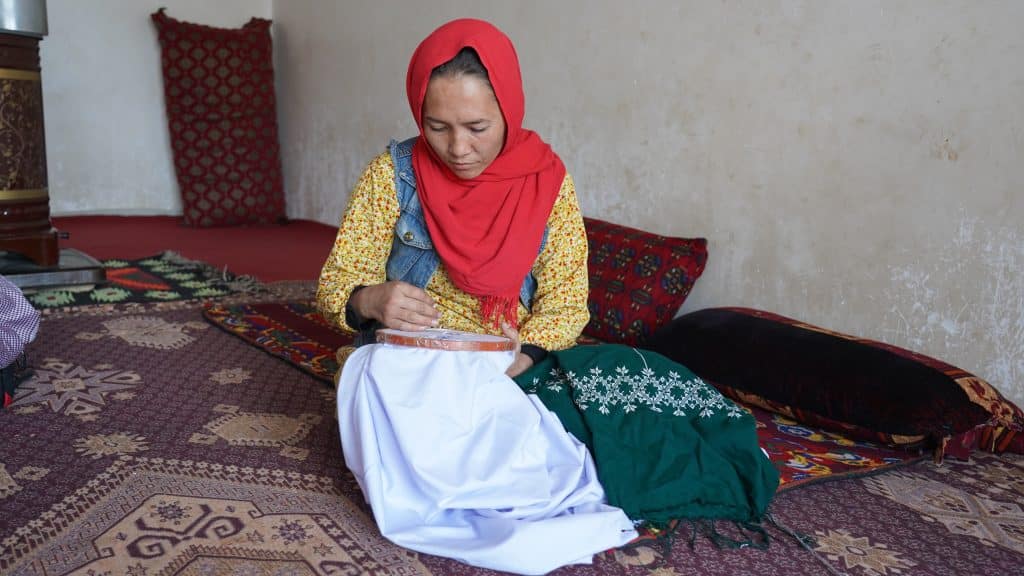
“Caring for my husband and our two children while trying to earn an income was extremely challenging. My embroidery work provided only a small amount of money, and often it was not enough to meet our household needs. We were constantly worried about feeding our family and covering medical expenses,” Marwa shared.
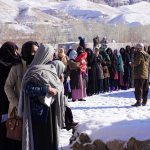
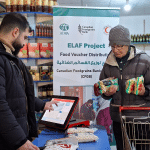
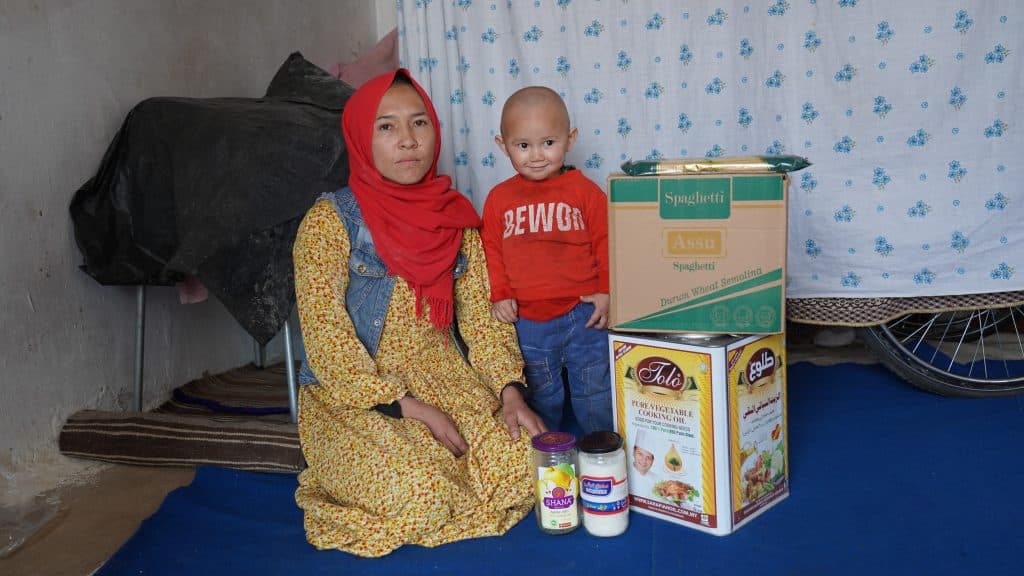
Recognizing the severe food insecurity and economic challenges faced by vulnerable households, PWS&D, along with our local partner in Afghanistan, implemented a cash-for-food assistance program in Bamyan Province. The project aimed to improve household food security by providing cash assistance to the most marginalized families identified through a community-based selection process. Jamshid Wali and his family were selected to participate in the project, through which the family received cash assistance for five months.
“The cash assistance helped us buy food and meet our most urgent needs during a very difficult time. It gave our family some relief and hope for the future,” Marwa expressed.
PWS&D Response
Food insecurity in Afghanistan is being driven by a combination of factors, including ongoing economic crises, poor harvests for the predominantly small-scale farmers, high inflation and high unemployment. Forced returns of Afghan refugees and migrants from Pakistan and Iran over the last two years have also been a major contributing factor. The recent military strikes across Iran have only made the situation worse.
In response, PWS&D supported its long-time partner in Afghanistan to provide cash transfers to 1,180 households like Jamshid’s (approximately 8,295 people) to allow them to buy food available at local markets. This project was supported through Canadian Foodgrains Bank, with matching funds from the Government of Canada.
Your support can help more families meet urgent needs with dignity and hope. Please consider supporting this vital work.

* Names have been changed to protect individuals’ identities.