What does hope sound like?
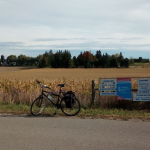
For Ishrat, a teenager from India, hope sounds like the voice of her teacher, providing instruction in the school room where she has a place to belong. It sounds like the thrumming of the tires on a bike that she is no longer too weak to ride.
And for Laxmi, a 31-year-old Nepalese woman, the sounds of hope include the bleating of goats and the clucking of chickens, in her home farm that she started after participating in a PWS&D program in her community. Hope also rings out when she uses her own voice to lead a group of women, gathered to invest in brighter futures.
For Ishrat and Laxmi, and many other women like them, hope sounds like no longer being silent due to discrimination.
In both Nepal and India, deep-rooted cultural norms hinder girls’ participation in many things that we may take for granted, such as attending school. This discrimination leads to low literacy rates for both girls and women and limits the opportunities they will have to earn an income when they grow up.
Even if they have achieved an education, social stigmas and difficulty accessing credit may further limit the chances women have to make an independent livelihood.
This was true for Laxmi, who once lived a quiet life. Her daily routine revolved around household chores. She rarely attended community events or interacted with other women in the village, which made her feel isolated.
Speaking in front of others was also a challenge for Laxmi. Even at home with her two kids, when she had ideas, she wouldn’t often share them.
One day, she heard of something beginning in her community: an initiative of Women for Peace and Democracy called the POWER project. The project, which PWS&D has been supporting since February 2025, invites women and those from other excluded groups to come together and access socially just, financially viable and environmentally sustainable livelihoods opportunities.
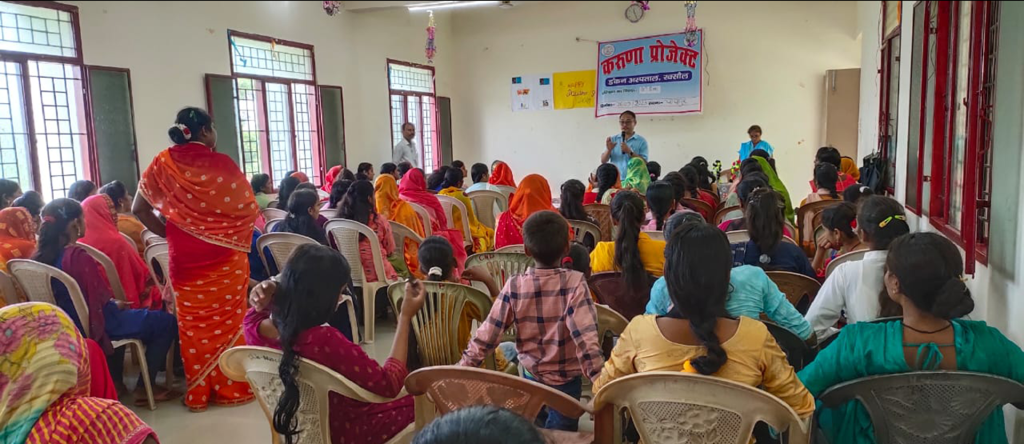
Laxmi joined a village women’s group through the program. She was surprised when those around her recognized her leadership capabilities and selected her as the group’s chair. Each month, she now confidently uses her voice to facilitate meetings.
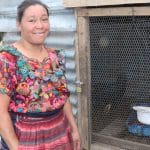
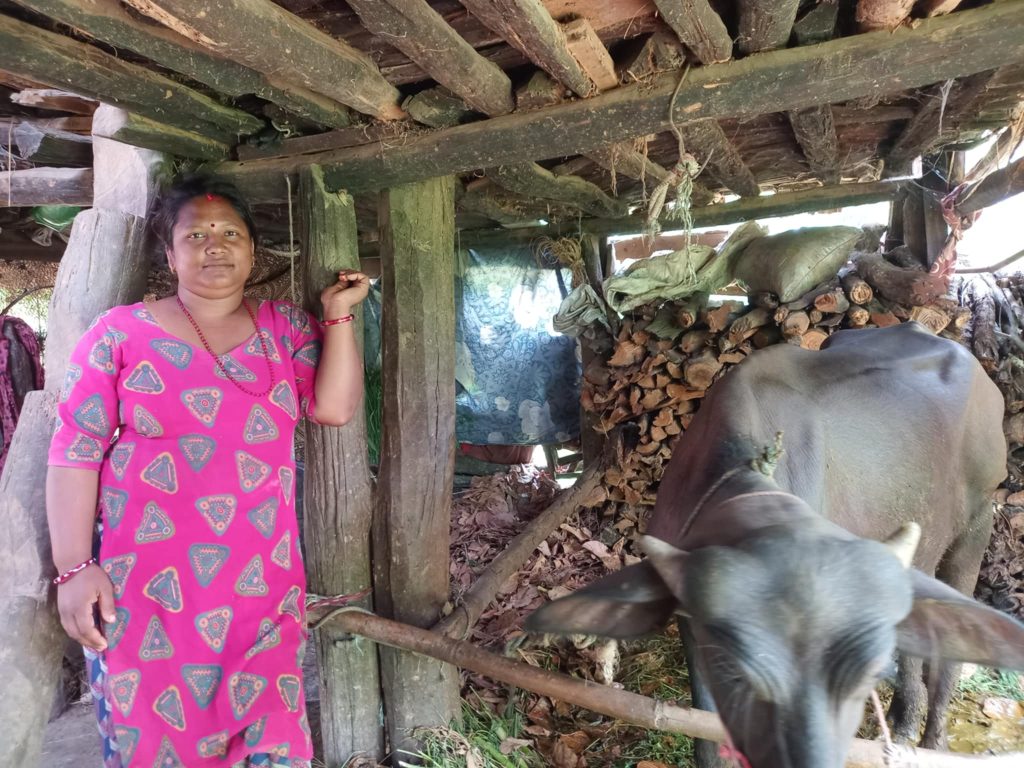
After learning about poultry farming, goat raising and organic vegetable farming through the group, Laxmi had the confidence to pursue a livelihood in animal husbandry. Beginning with one goat, she soon expanded her small farm by adding two additional goats, six chickens and a buffalo. She is now creating a more sustainable income for her family.
Laxmi reflects on the difference being involved in the program made in her life, as she shares, “I am working towards becoming independent by initiating my own small business.”
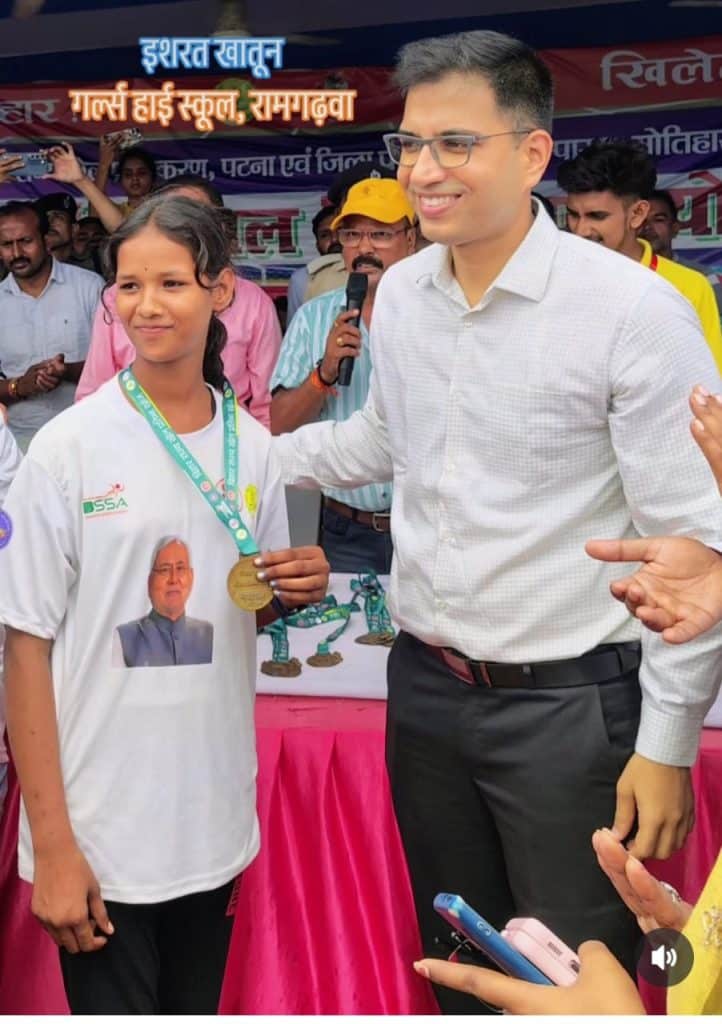
In neighbouring India, Ishrat is a 17-year-old girl who lost her father to cancer, after which her two brothers moved away to earn an income. Despite their efforts, her family often struggled to afford proper food and other essentials, and she was forced to quit school. She felt little hope that she’d be able to continue her education, because her family could not afford it.
Ishrat received help from the PWS&D-supported Karuna Project at Duncan Hospital, a holistic program that supports marginalized girls’ nutritional and other needs. This project provides financial assistance to help girls have unhindered access to education, while program staff also work to raise awareness on the value of equal opportunities for girls and advocate for them to remain in school. Vocational training courses equip girls with practical skills, thereby boosting their employability and empowering them to make meaningful contributions to their communities.
When the project team first met Ishrat, she was visibly undernourished and weak—and as a result, withdrawn. Understanding her fragile health and difficult circumstances, the team extended help through its nutritional support program. Regular nutritional supplements, follow-up visits and dietary guidance helped Ishrat gradually regain her health. Over the following months, Ishrat’s weight improved, her energy levels increased and she began to look and feel stronger.
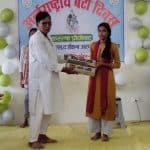
Encouraged by her progress, the Karuna team also motivated Ishrat to return to school. Ishrat enrolled in grade 10, equipped with the school supplies provided by the project. Once malnourished and withdrawn, she is now an energetic student.
With restored health and growing confidence, Ishrat began participating in school activities. Her resilience showed when she competed in and won her district’s 10-kilometre bicycle race.
Reflecting on her journey, Ishrat says, “Karuna gave me strength and a new identity.”
Investing in the lives of women and girls in countries where they are marginalized goes beyond access to food or better educational and economic opportunities: it results in regained hope, ringing out loud and clear.