Sudan
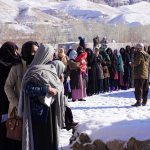
Sudan is currently facing a severe humanitarian crisis, with 24.8 million people in need of urgent aid, including 14 million children. The country has experienced significant population displacement, with millions of people—mainly children and women—forced to leave their homes and scatter across various regions; many of them have been displaced multiple times.
People in South Kordofan, including both internally displaced persons and host communities, are facing hunger due to conflict.
PWS&D, in partnership with the Canadian Foodgrains Bank, Development and Peace, and local partner Trócaire Sudan, is supporting an emergency nutrition project in South Kordofan. This response began in October and will continue until March 2026.
The initiative aims to treat children who are moderately acutely malnourished through targeted supplementary feeding programs. Additionally, the project will provide training for members of the mother support group in maternal, infant, and young child nutrition practices. Community health volunteers will be trained on integrated community case management. They will follow up with women and children in the nutrition program at their homes to ensure adherence to the nutrition feeding program.
Somalia
In Somalia, conflict and insecurity are exacerbating an already dire humanitarian crisis. Armed conflict and tensions in Dollow, Luuq, and Balad-hawa have displaced thousands of people and disrupted the delivery of essential services. In Luuq, inter-clan strife has led to the displacement of 45,000 people as well as the destruction of the Warata market, impacting livelihoods and worsening food insecurity. Almost two million children are suffering from acute malnutrition, including almost half a million who are likely to be severely malnourished.
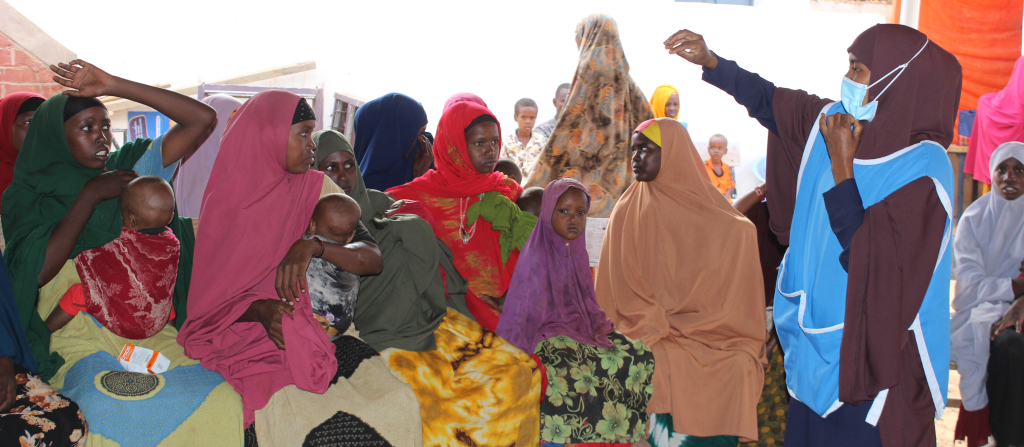
PWS&D, in partnership with the Canadian Foodgrains Bank, Development and Peace and local partner Trócaire Somalia, is implementing a project to prevent acute malnutrition in the Gedo region of Somalia. The project is providing treatment for individuals with acute malnutrition and implementing community-based activities, including door-to-door screening and referrals, counselling sessions, one-on-one sessions, and sessions covering key topics such as exclusive breastfeeding, complementary feeding and hygiene.
Read how Bishar was able to access critical food assistance.
These projects cover only a small portion of a wide range of needs. To help us respond, please click below to donate.